Crossover Sub
A short connector whose entire job is joining two different thread types or diameters into one continuous string.
What a Crossover Sub Is
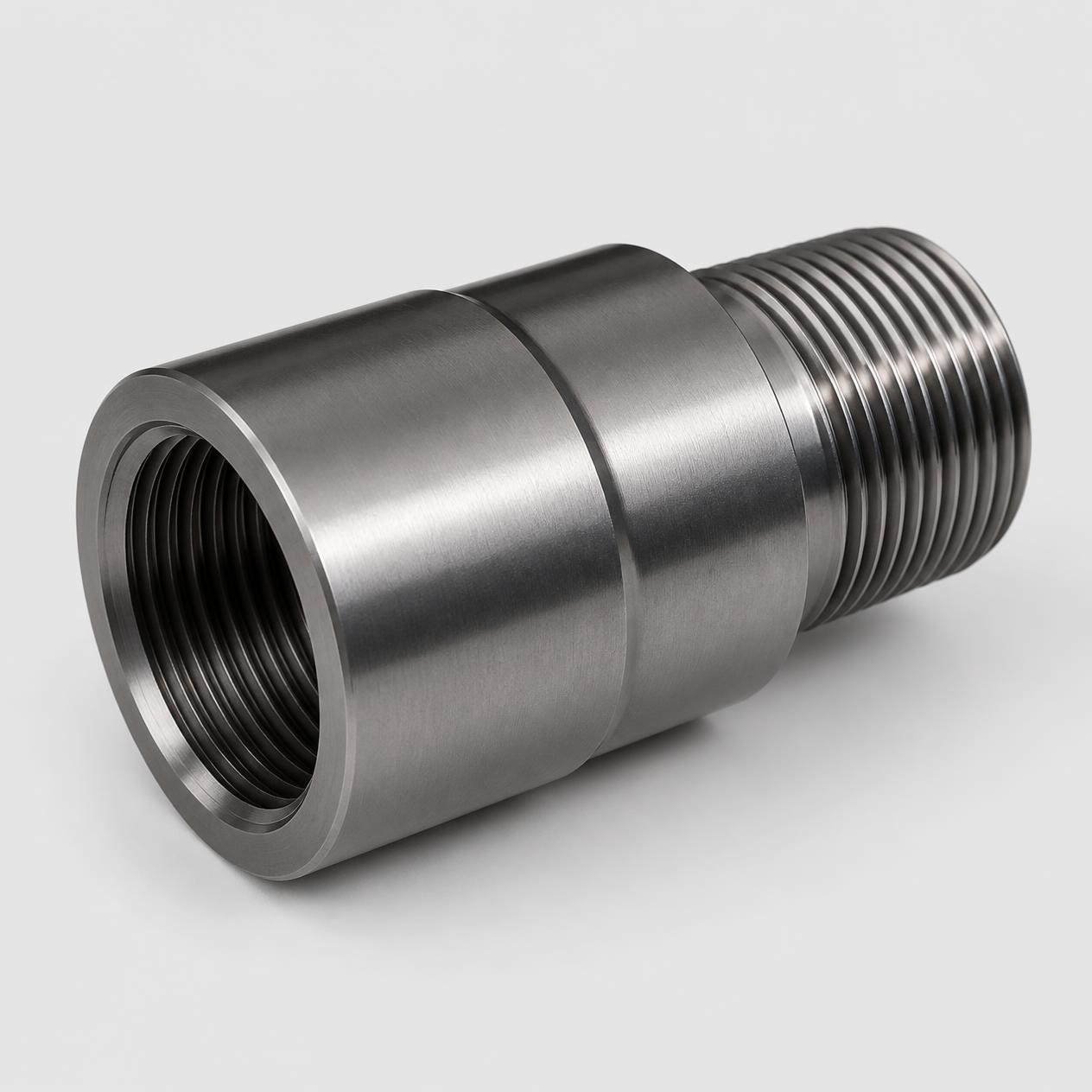
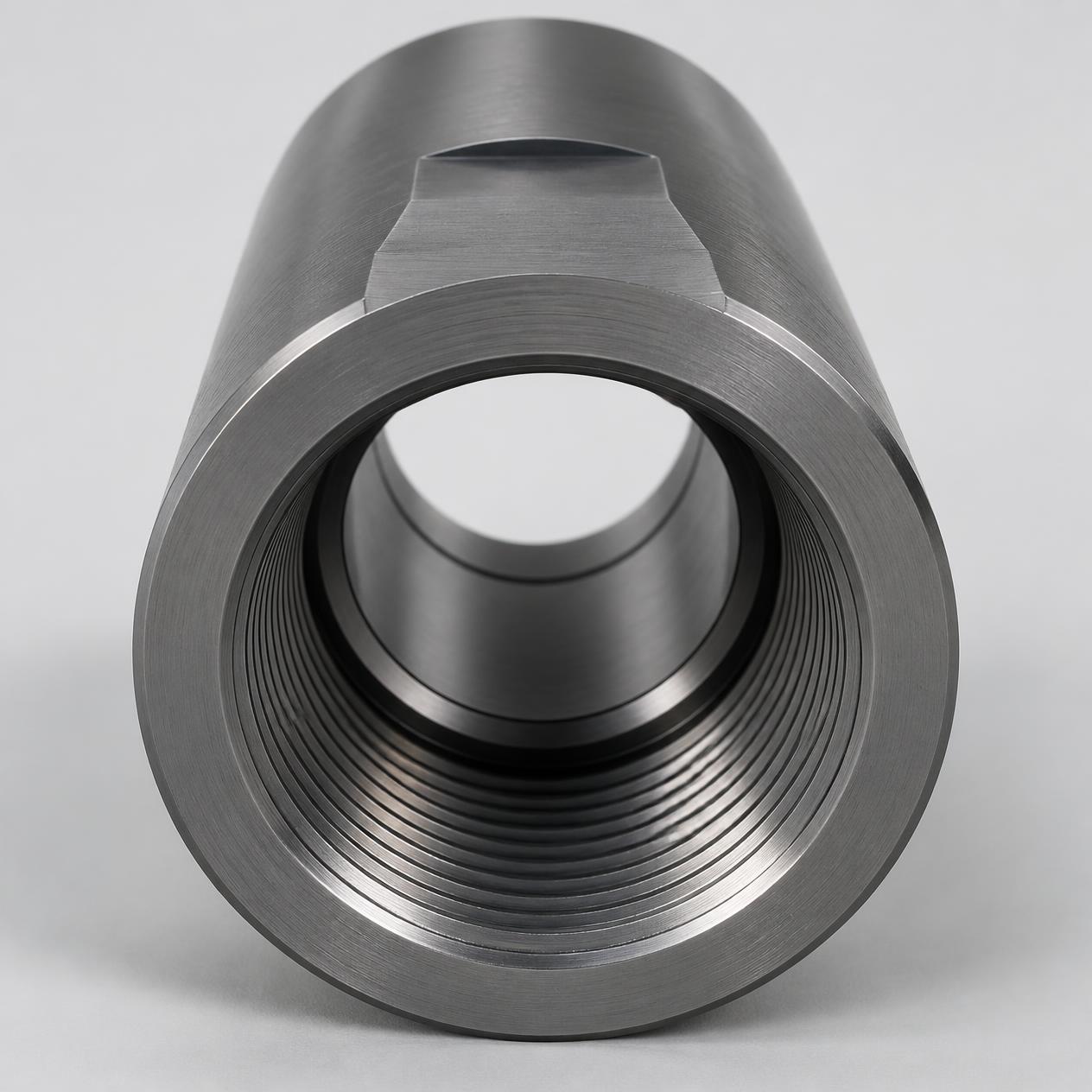
A crossover sub is a short length of pipe machined with two different connections — one on each end — specifically so it can join sections of a drill string, casing string, or tool string that would not otherwise thread together. One end matches the connection above it, the other end matches the connection below it, and a tapered or stepped shoulder in between carries the transition from one diameter to the other.
It carries no other function of its own — no valve, no cutting element, nothing beyond the two connections and the body that joins them. Its entire purpose is compatibility.
Why a String Needs Different Thread Types
Pipe and tooling of different sizes carry different standard connections by design — larger-diameter drill collars use different thread forms than smaller-diameter drill pipe, and different equipment vendors sometimes use their own proprietary connections on specialty tools. A bottom hole assembly built from mixed component sizes, or a string that mixes equipment from more than one manufacturer or generation, will almost always need at least one crossover somewhere in the string to actually make everything up together.
Body Design — the Tapered Shoulder
The body between the two connections is either a straight taper or a stepped shoulder, sized to carry the full load and torque the string transmits through that point despite the sudden change in diameter. Because it sits at a geometric discontinuity, this shoulder concentrates more stress than a straight section of pipe would under the same load — which is why crossover subs are typically built to a higher strength rating than the pipe on either side of them, not a matching or lower one.
Crossover Sub vs. Bit Sub
Both are short connector-type subs, but a crossover sub exists purely to solve a thread-compatibility problem — converting one connection to another wherever it's needed in a string. A bit sub is a specific, purpose-built connector that always sits directly above the bit, and beyond changing thread type may also carry a check valve, a specific bore profile, or other features the bit itself needs. Every bit sub is functionally a kind of crossover, but not every crossover is a bit sub.
Common Failure Modes
- Fatigue at the tapered shoulder from repeated makeup and breakout cycles or sustained high torque, the highest-stress point on the tool and the most common location for a washout or twist-off.
- Thread wear or galling on either connection from repeated use, since a crossover sees every connection cycle both strings would otherwise see independently.
- Using the wrong crossover for the job — mismatched thread specs or pressure ratings that were never actually compatible, caught (ideally) before makeup rather than after.
Frequently Asked Questions
What is a crossover sub used for?
A crossover sub joins two sections of pipe, tubing, or tool string that have different thread types or sizes and would not otherwise connect. It converts one connection to another over a short length, letting equipment from different manufacturers or different generations of a string be made up together.
Why would a drill string need different thread types in the first place?
Different pipe sizes carry different standard thread connections by design — larger-diameter drill collars use different threads than smaller drill pipe, and different equipment vendors sometimes use proprietary connections. A crossover sub is what actually lets a bottom hole assembly built from mixed component sizes and sources be made up into one continuous string.
What is the difference between a crossover sub and a bit sub?
Both are short connector-type subs, but they solve different problems. A crossover sub exists purely to convert between two different thread types or sizes. A bit sub sits specifically between the bit and the rest of the bottom hole assembly, and may also carry additional features like a check valve or a specific bore profile the bit needs, beyond just a thread change.
What causes a crossover sub to fail?
The tapered shoulder where the two diameters meet is the highest-stress point on the tool, and repeated makeup/breakout cycles or high torque can fatigue it over time, leading to a washout or a twist-off at that shoulder. Thread wear or damage on either connection from repeated use is the other common failure point, since a crossover sees every connection cycle both strings would otherwise see separately.