Rig Equipment
Every core mechanical system on a drilling rig, from the rig itself down to the bit thousands of feet below.
Equipment guides
Types of Drilling Rigs
Land rigs, jack-ups, semi-submersibles, drillships, platforms, and barges compared with specs and day rates.
Read More →The Drill String
Every component from top drive to bit — drill pipe, collars, BHA, MWD tools, and bit types.
Read More →Blowout Preventers
How a BOP stack seals the well — annular preventers, rams, pressure ratings, and testing requirements.
BOP Types & Stack →Accumulator Function Test & Drill
Initial pressure, per-component open/close timing against API STD 53, recharge time, and drill report sections.
Read More →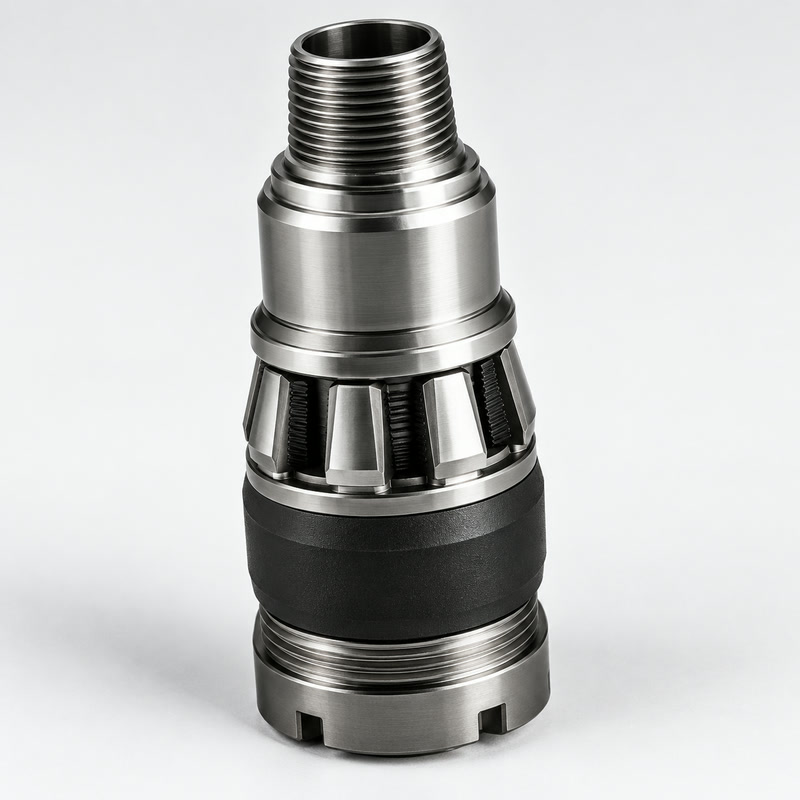
Bridge Plug
Drillable vs. retrievable, wireline vs. mechanical setting, pressure/temp ratings, failure modes, and how it differs from a cement retainer.
Read More →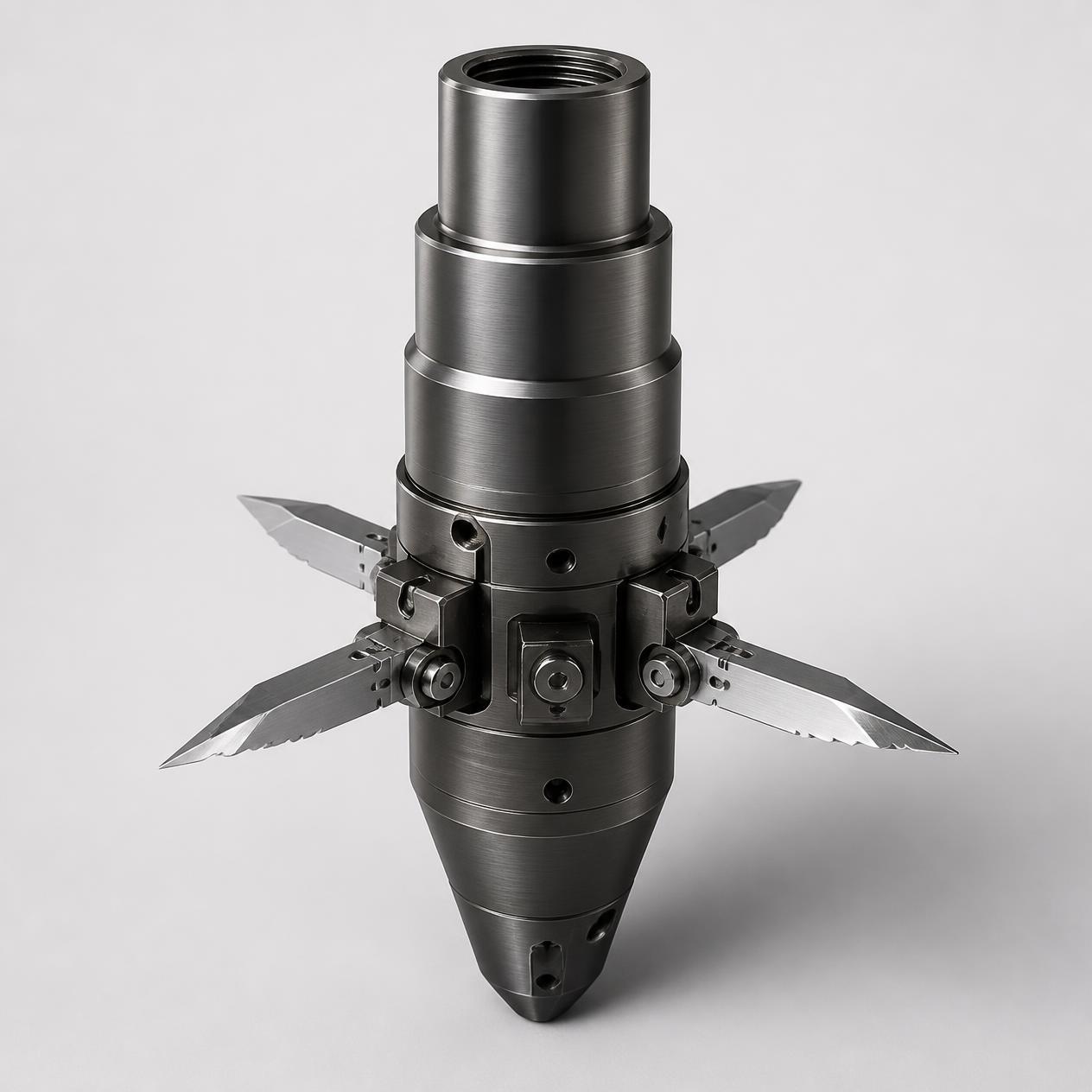
Casing Cutter
Mechanical vs. chemical cutting, running and actuation, generic ratings, failure modes, and how it differs from a section mill.
Read More →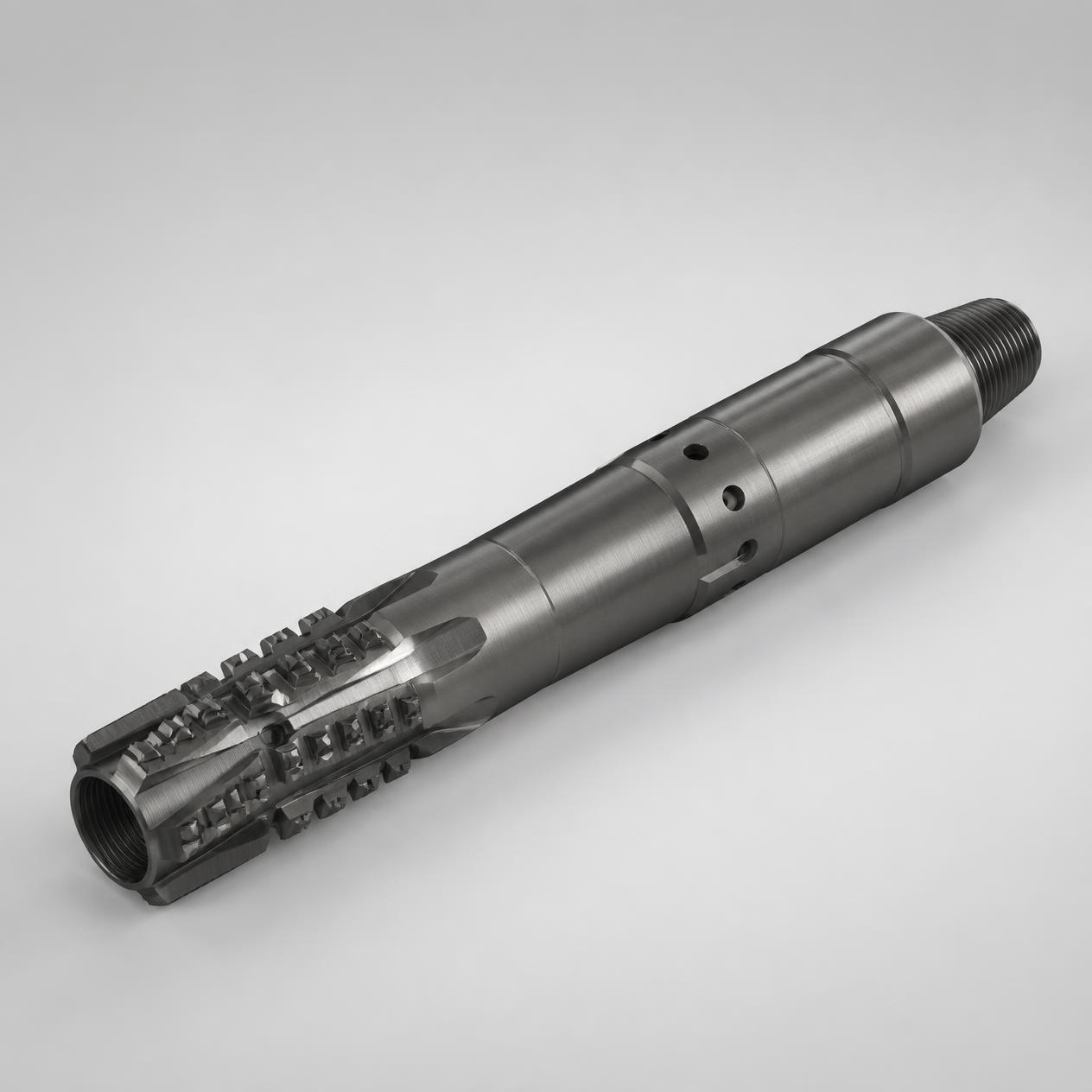
Section Mill
Single-trip vs. two-trip mills, swarf handling, generic ratings, failure modes, and how it differs from a casing cutter.
Read More →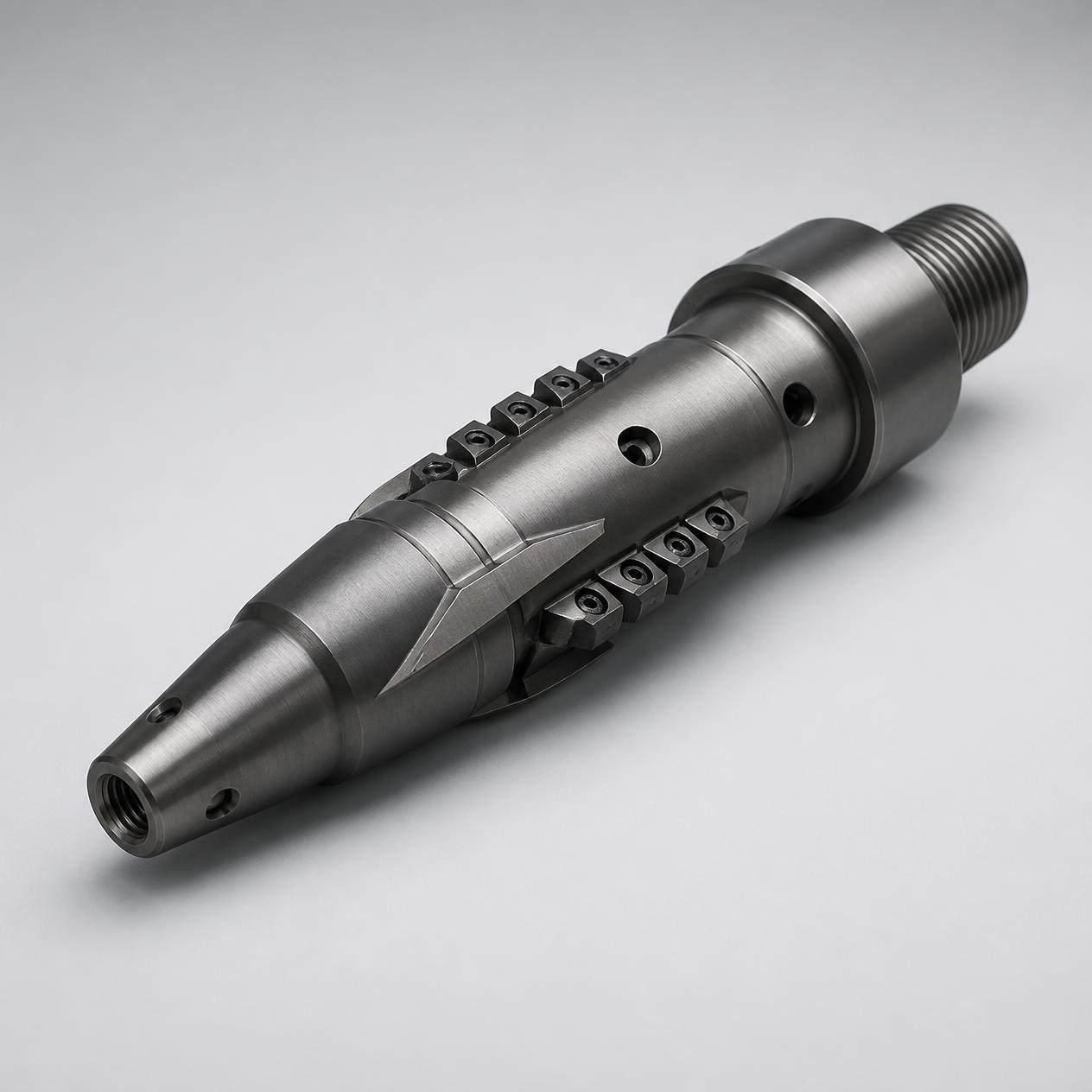
Window Mill
The starting/window/taper mill sequence, whipstock setting and orientation, failure modes, and how it differs from a section mill.
Read More →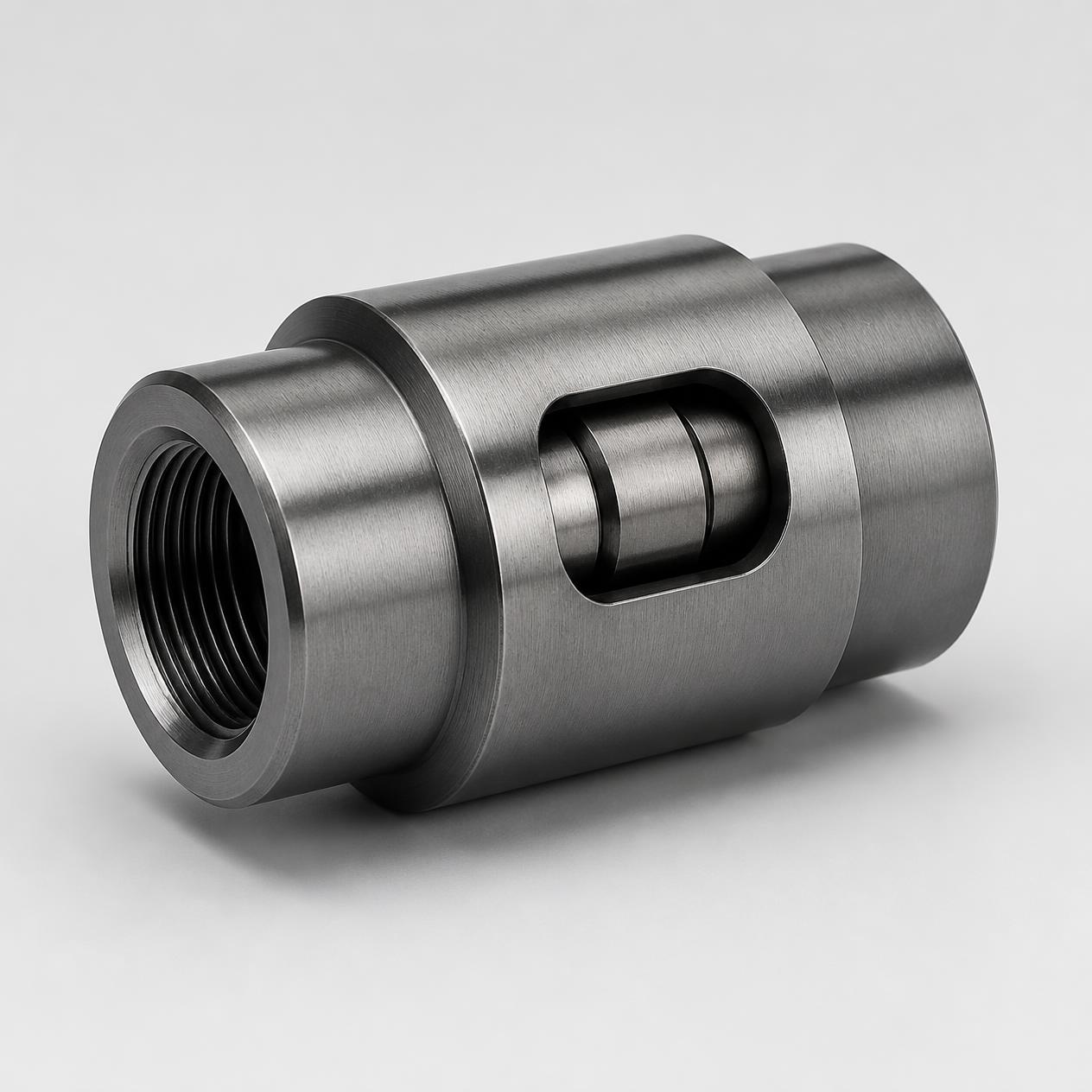
Safety Joint
Mechanical vs. hydraulic release designs, where it's placed in a fishing or liner string, and common failure modes.
Read More →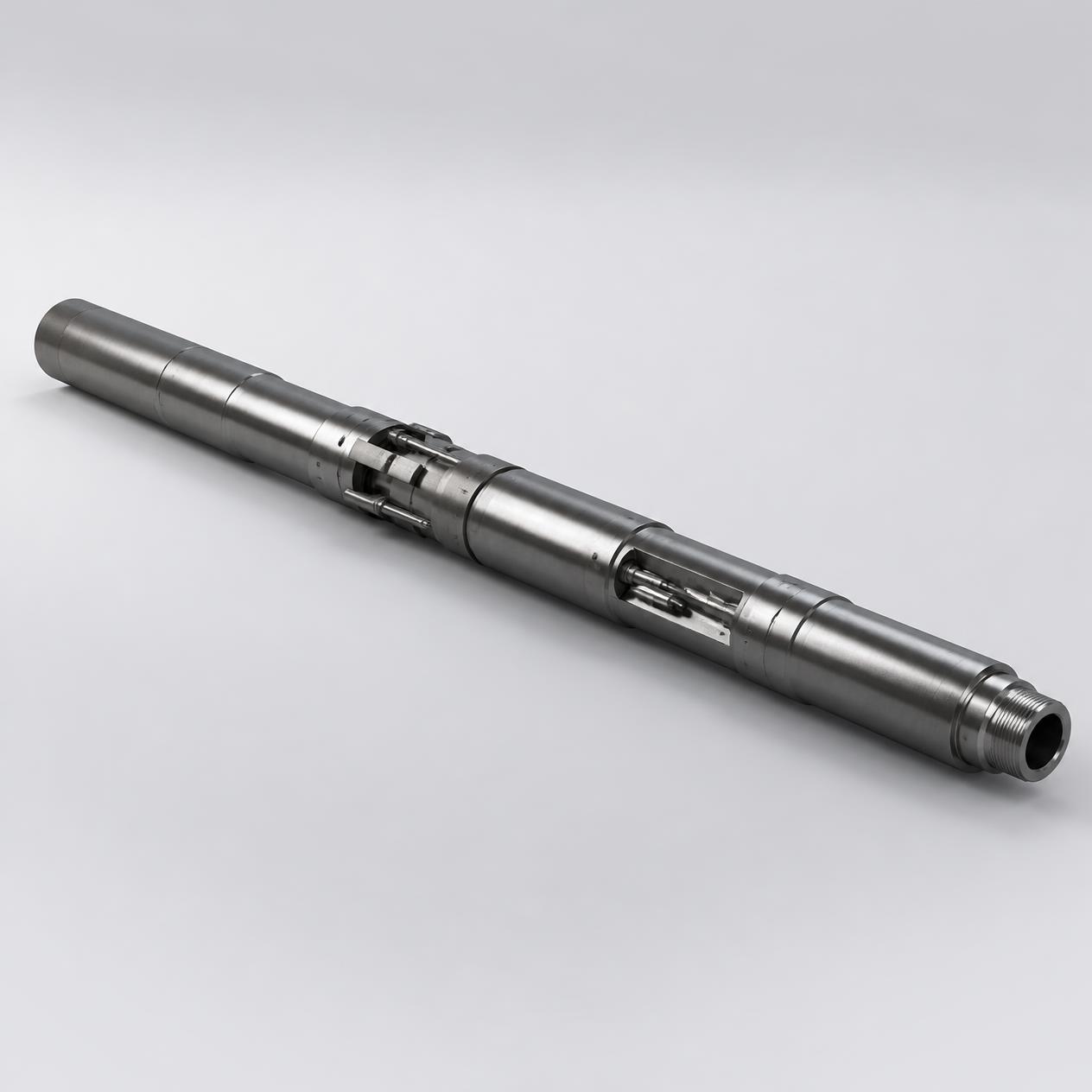
MWD Tool
Mud pulse telemetry, MWD vs. LWD, where it sits in the BHA, and common failure modes.
Read More →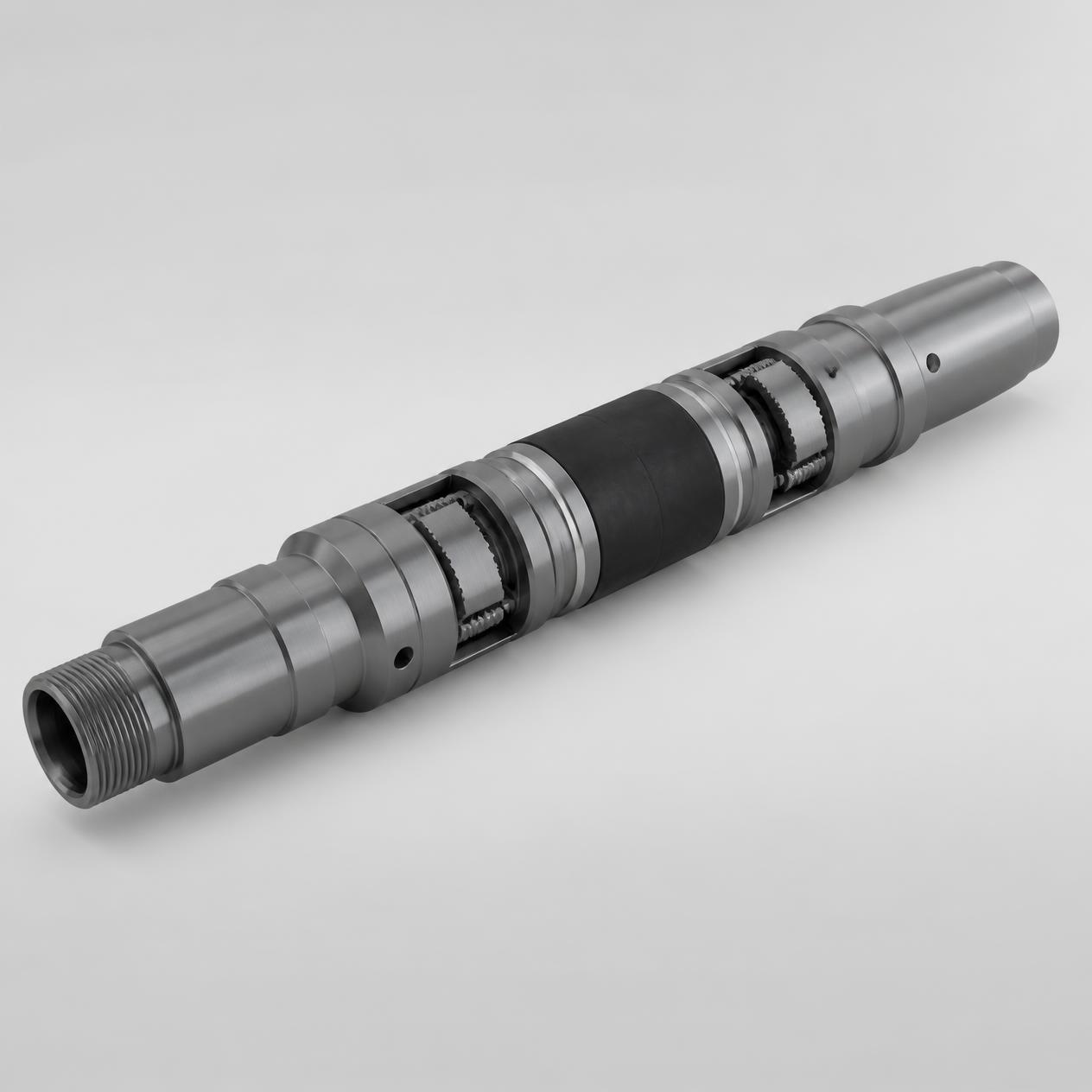
Packer
Permanent vs. retrievable, the polished bore receptacle, and how it differs from a bridge plug.
Read More →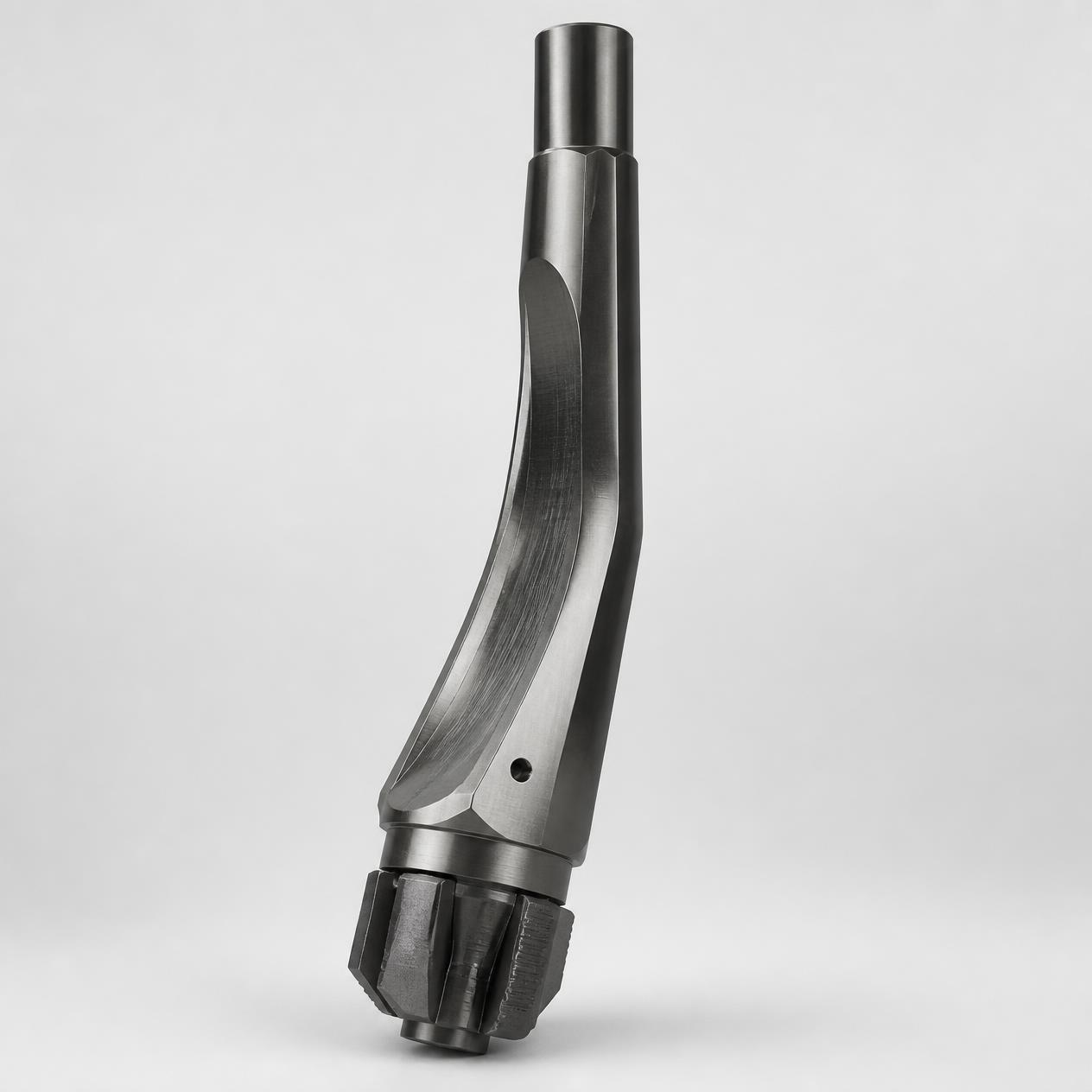
Whipstock
How its concave face deflects a window mill into the casing wall, the pilot lug, and orientation before milling.
Read More →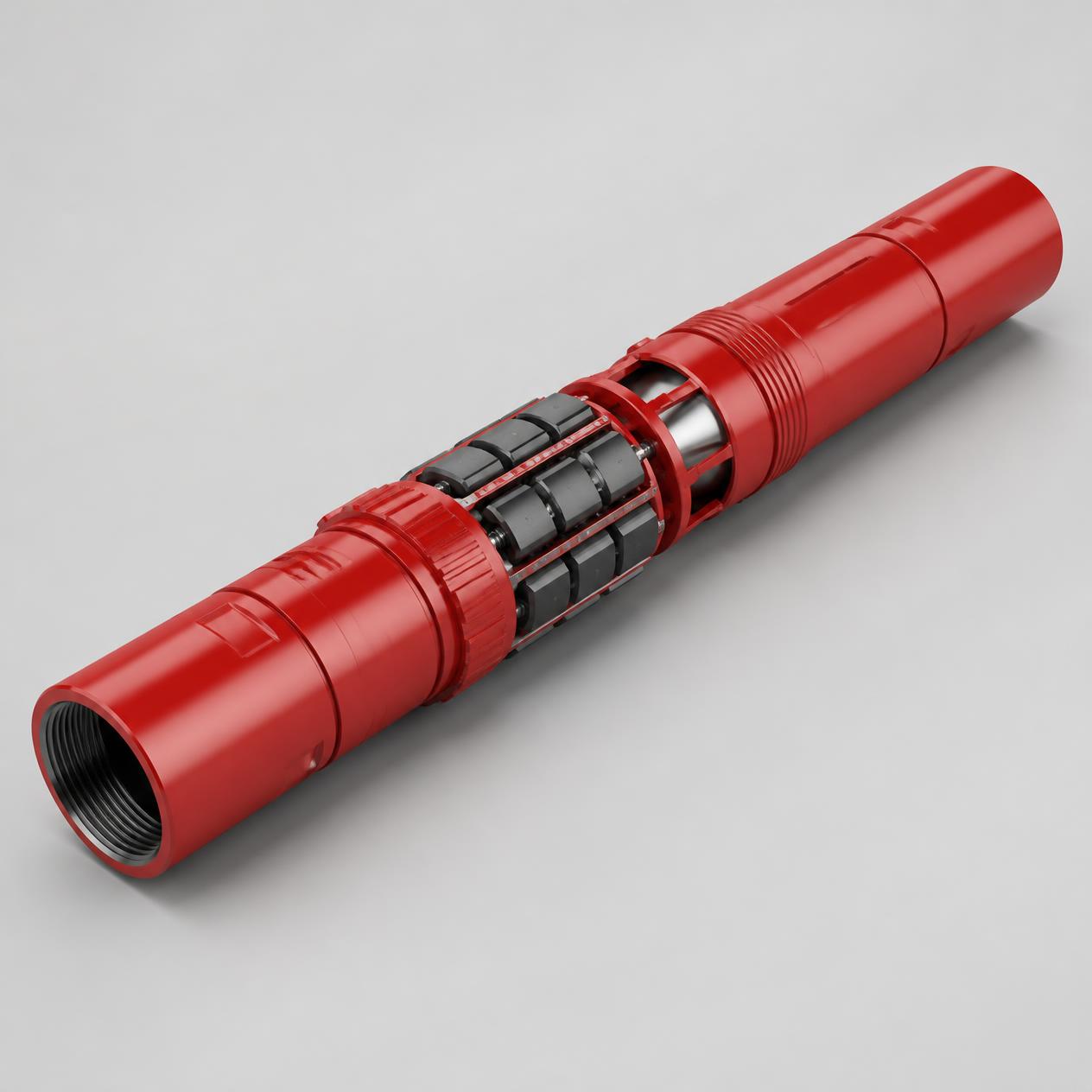
Liner Hanger
Why a liner runs instead of full casing, how the slips carry its weight, and the liner top packer.
Read More →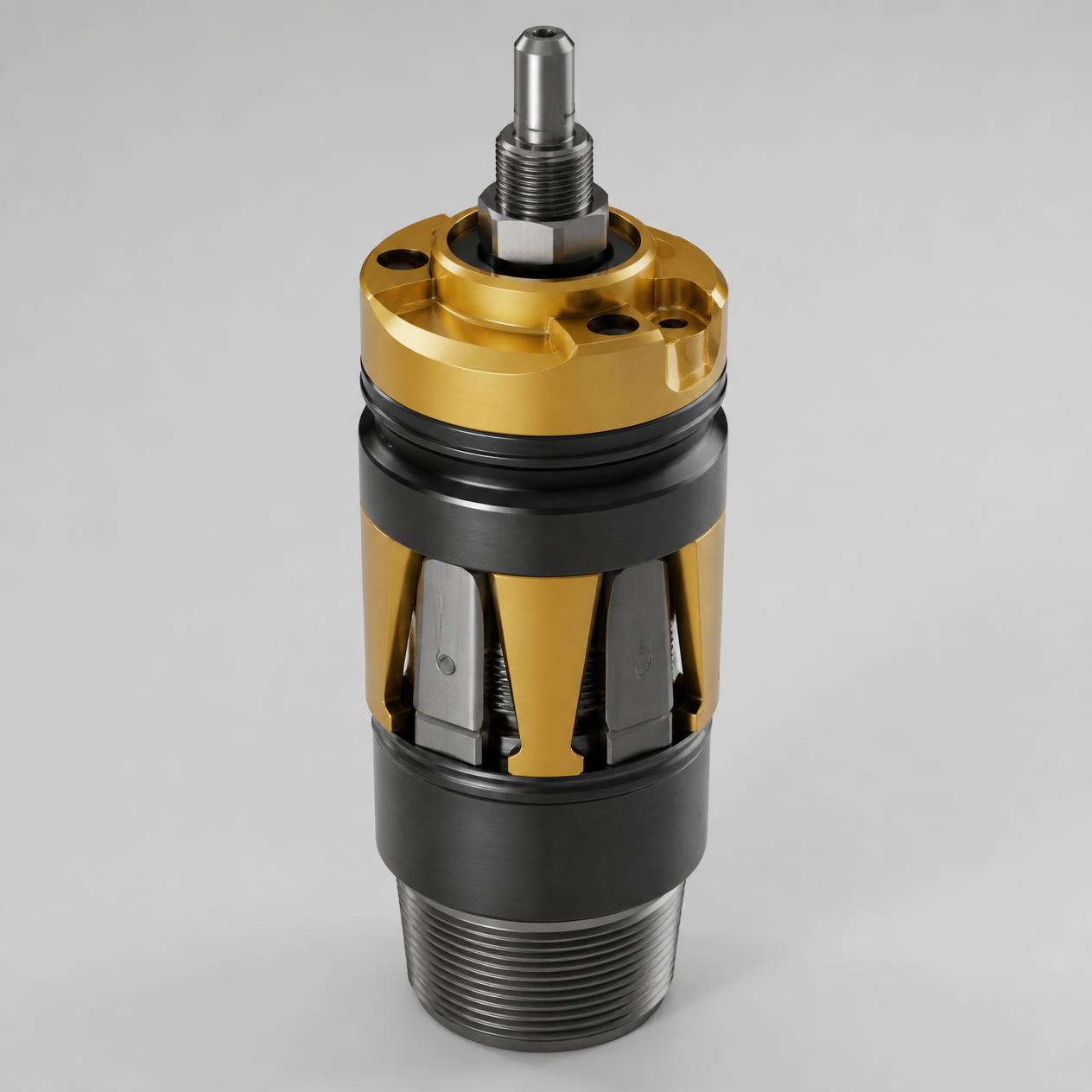
Cement Retainer
How the pump-through valve works during a squeeze job, drillable vs. retrievable, and how it differs from a bridge plug.
Read More →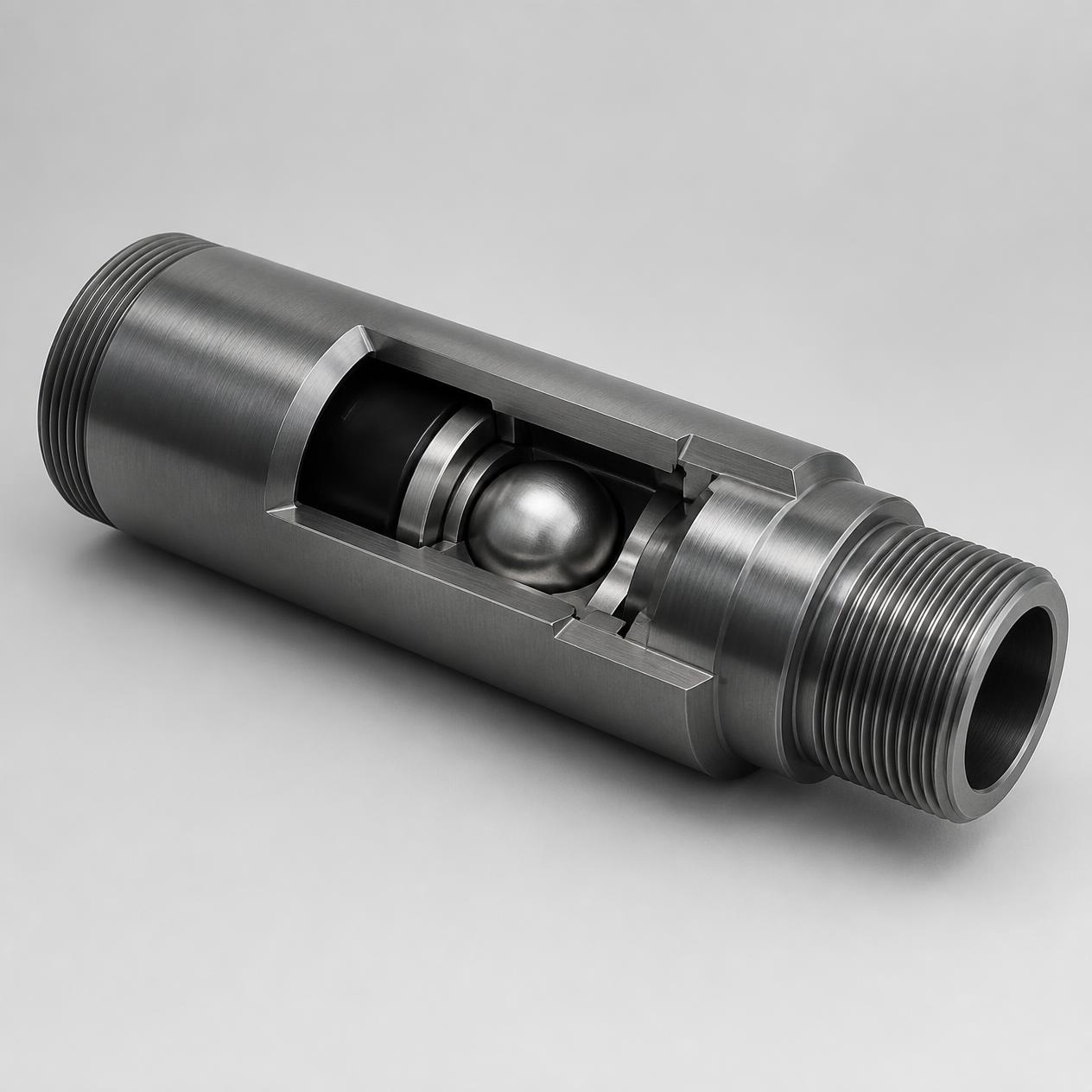
Float Sub
How its flapper or ball-and-seat check valve stops backflow, and how it differs from a float shoe or collar.
Read More →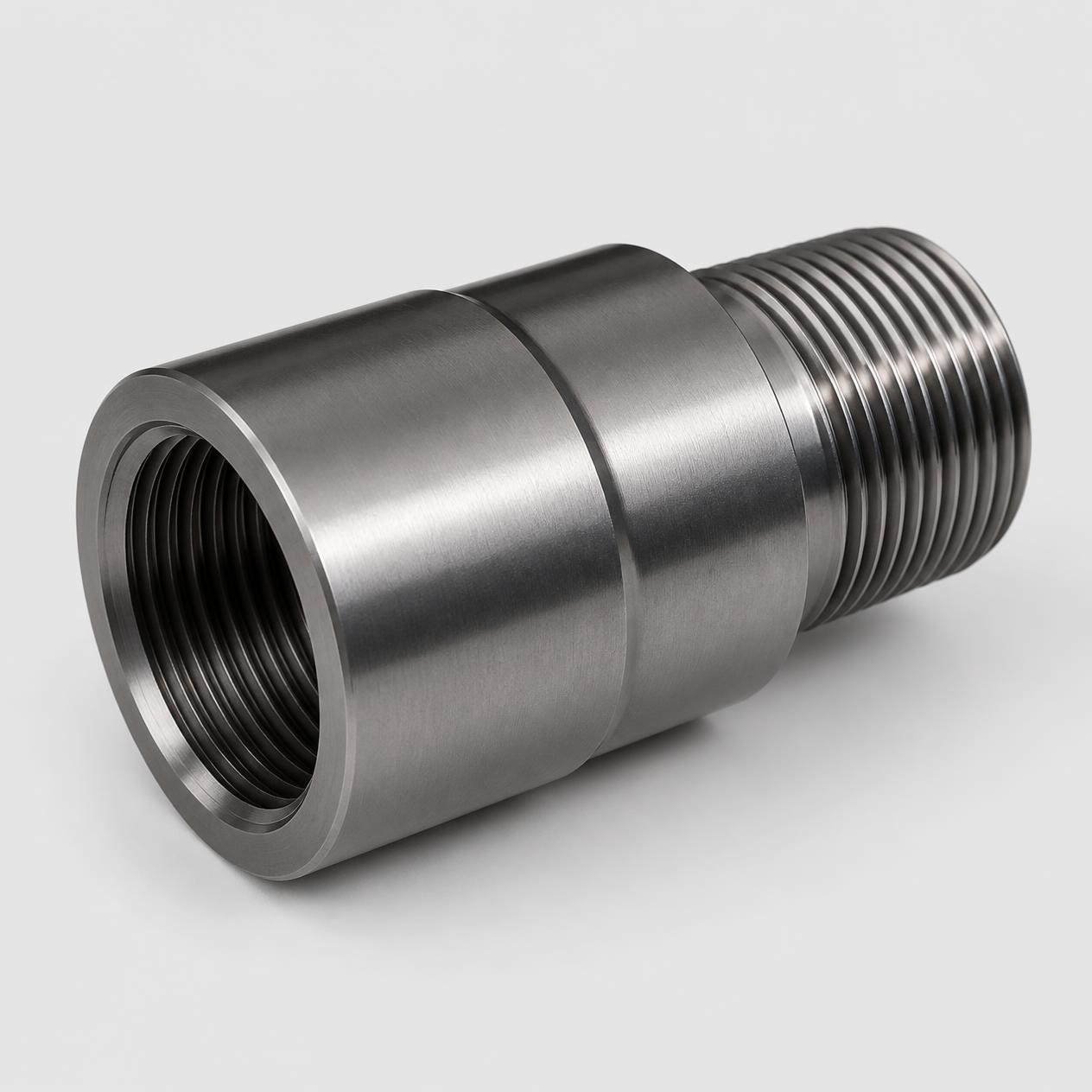
Crossover Sub
Joining different thread types and diameters in a string, the tapered-shoulder failure point, and how it differs from a bit sub.
Read More →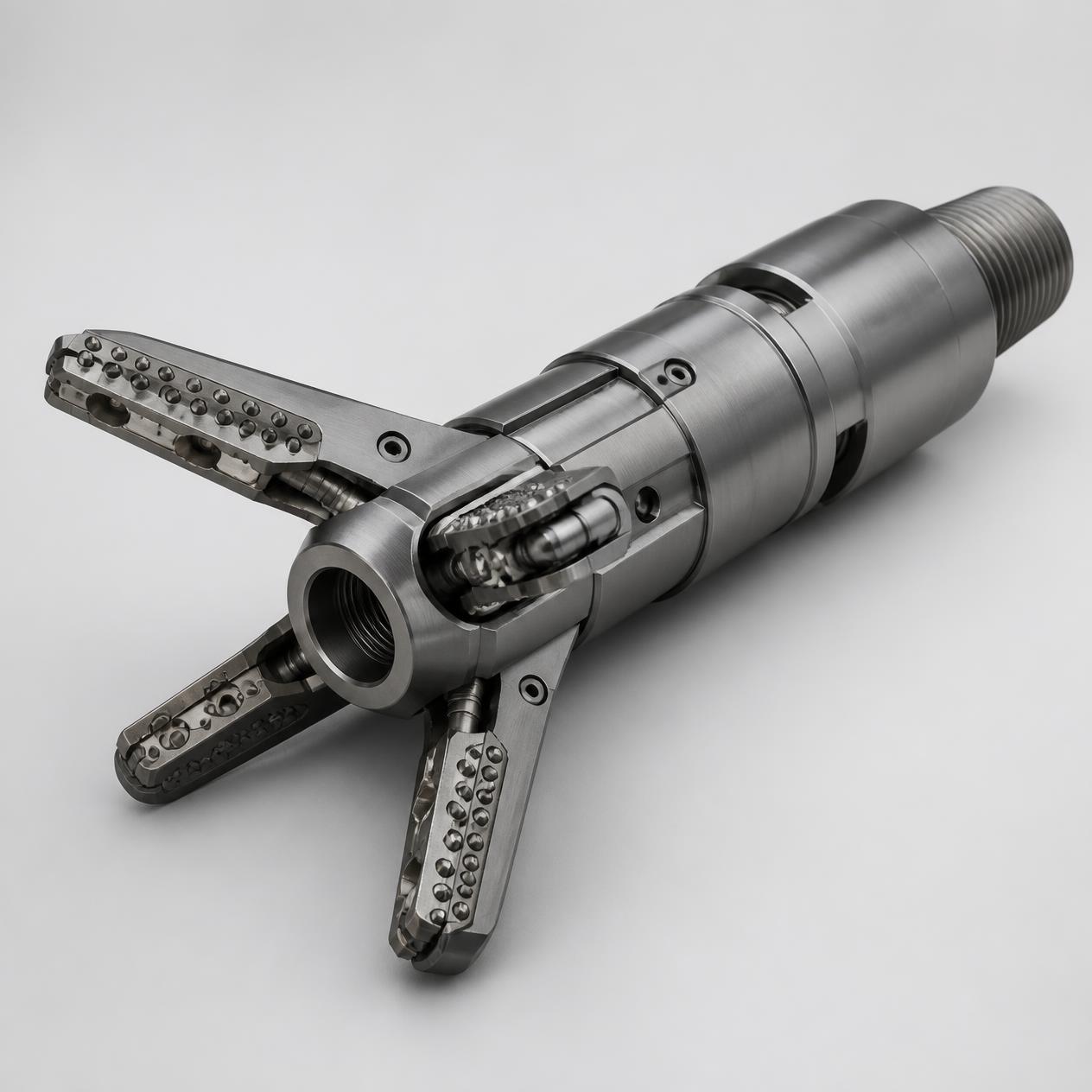
Under-Reamer
Folding arms that pass a restriction closed then cut hole wider once extended, hydraulic vs. mechanical actuation, failure modes, and how it differs from a hole opener.
Read More →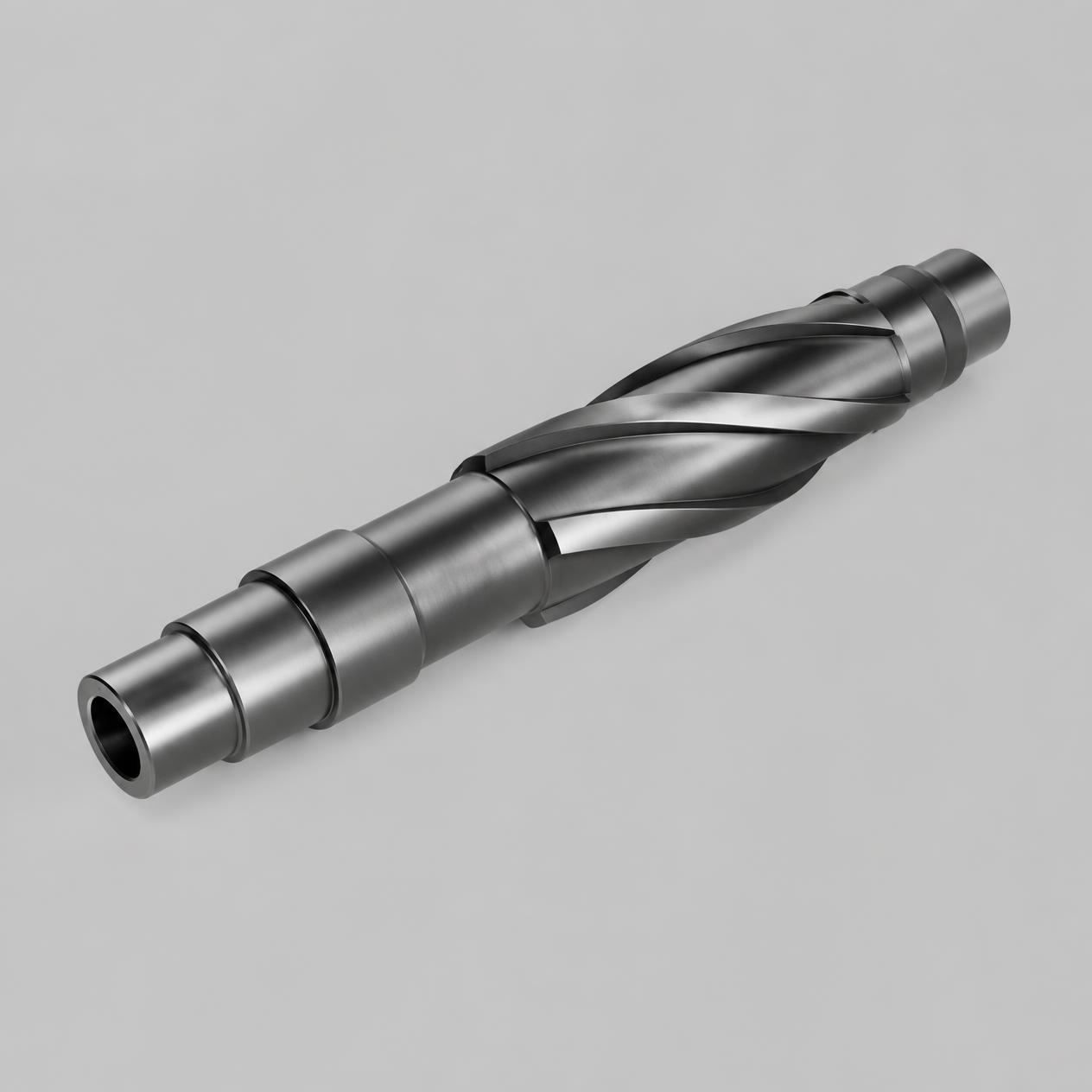
Stabilizer
String vs. near-bit vs. roller-reamer placement, straight vs. spiral blade design, failure modes, and how it differs from an under-reamer.
Read More →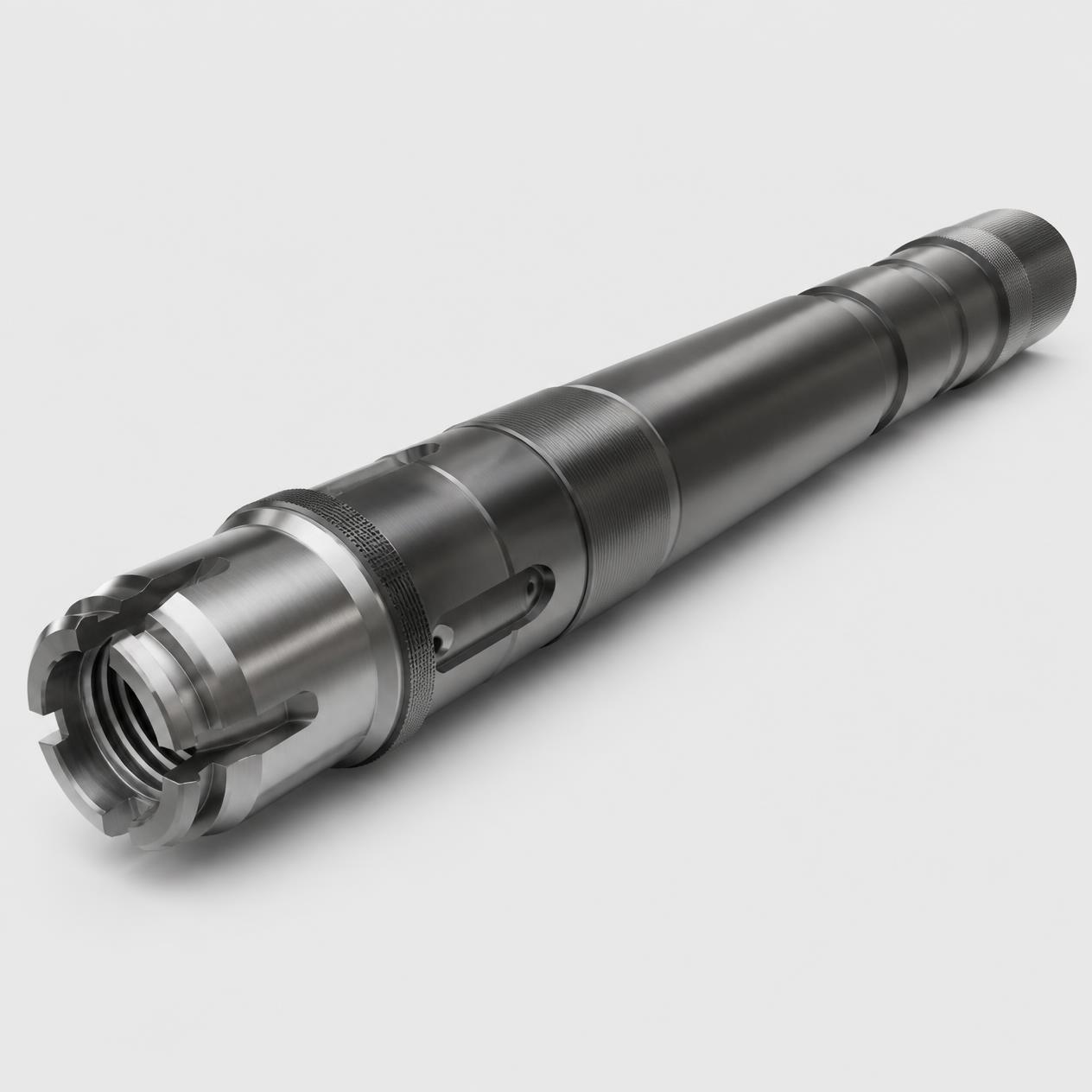
Reversing Tool
How reverse circulation carries junk and debris back up the string, port actuation, failure modes, and how it differs from a float sub.
Read More →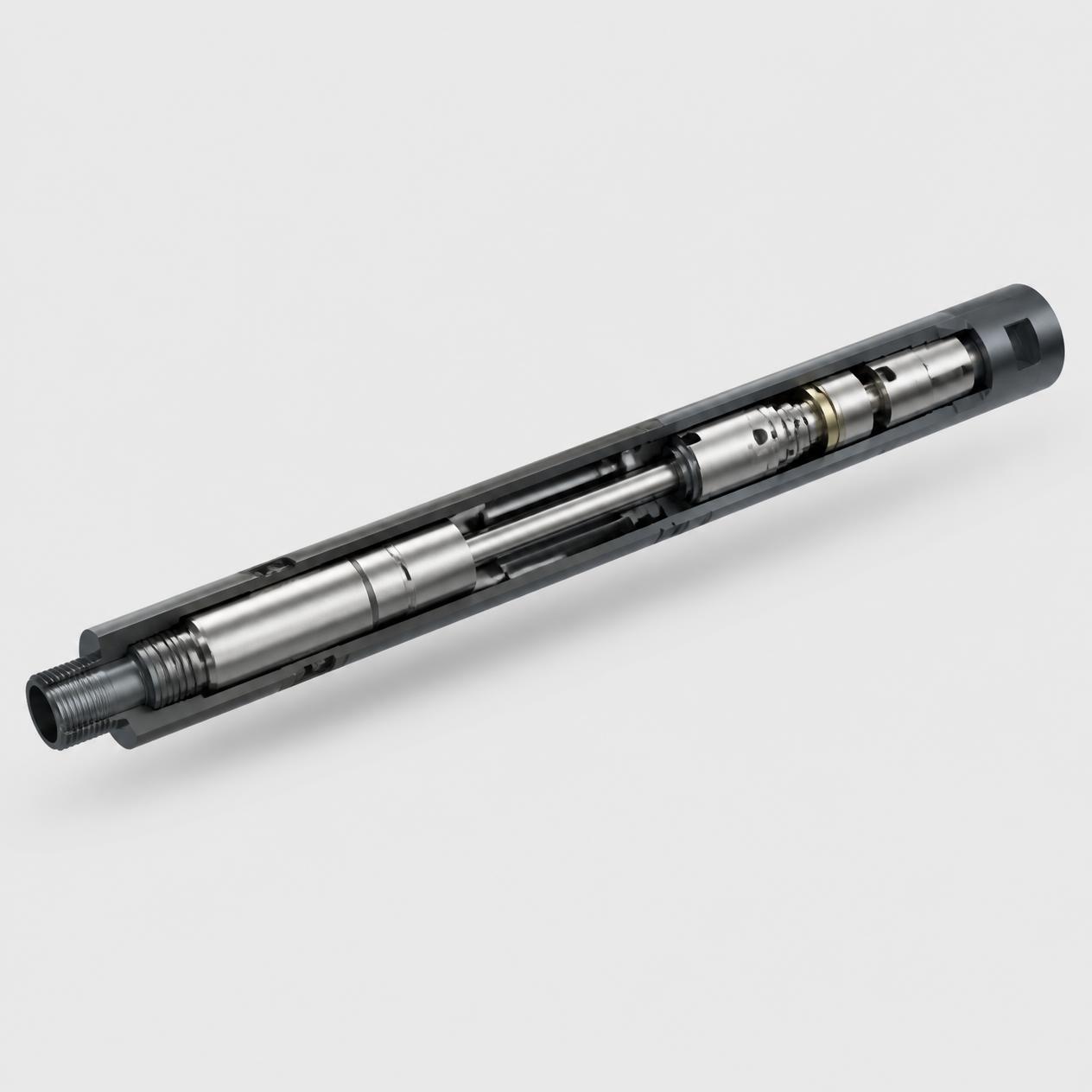
Hydraulic Jar
Up jar vs. down jar, how a jar accelerator stores extra energy, failure modes, and how it differs from a safety joint.
Read More →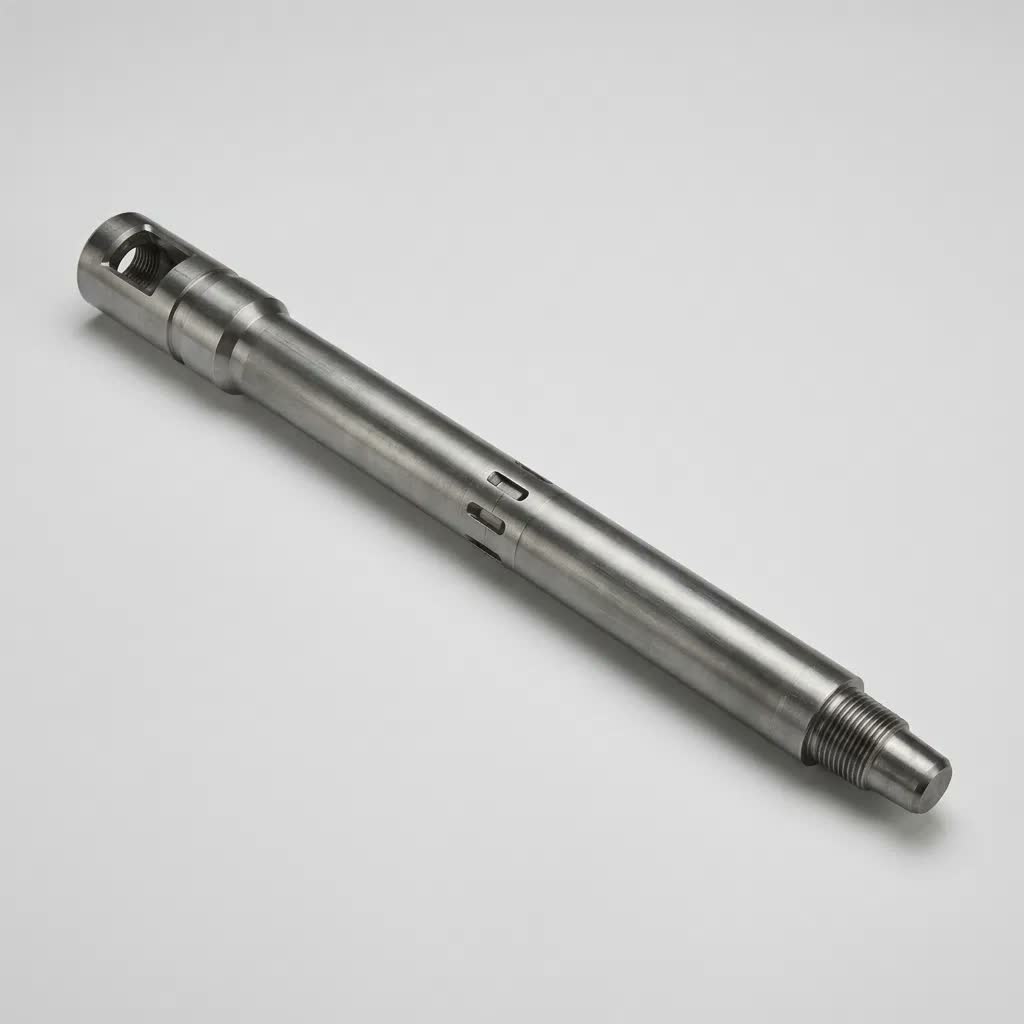
Sliding Sleeve
Shifting tool operation, zonal isolation and circulation uses, and common failure modes.
Read More →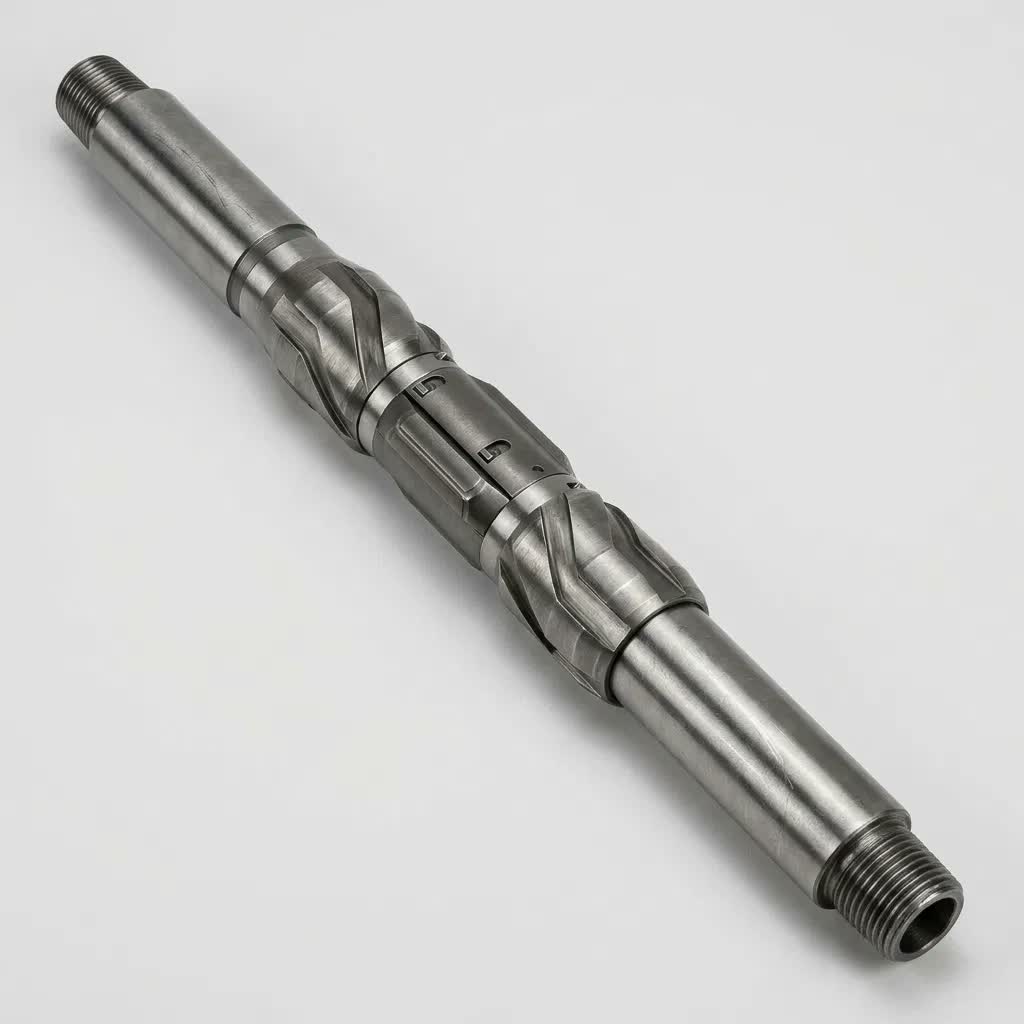
Burr Mill
Dressing sharp edges after a cutting or milling pass, and how it differs from a section mill.
Read More →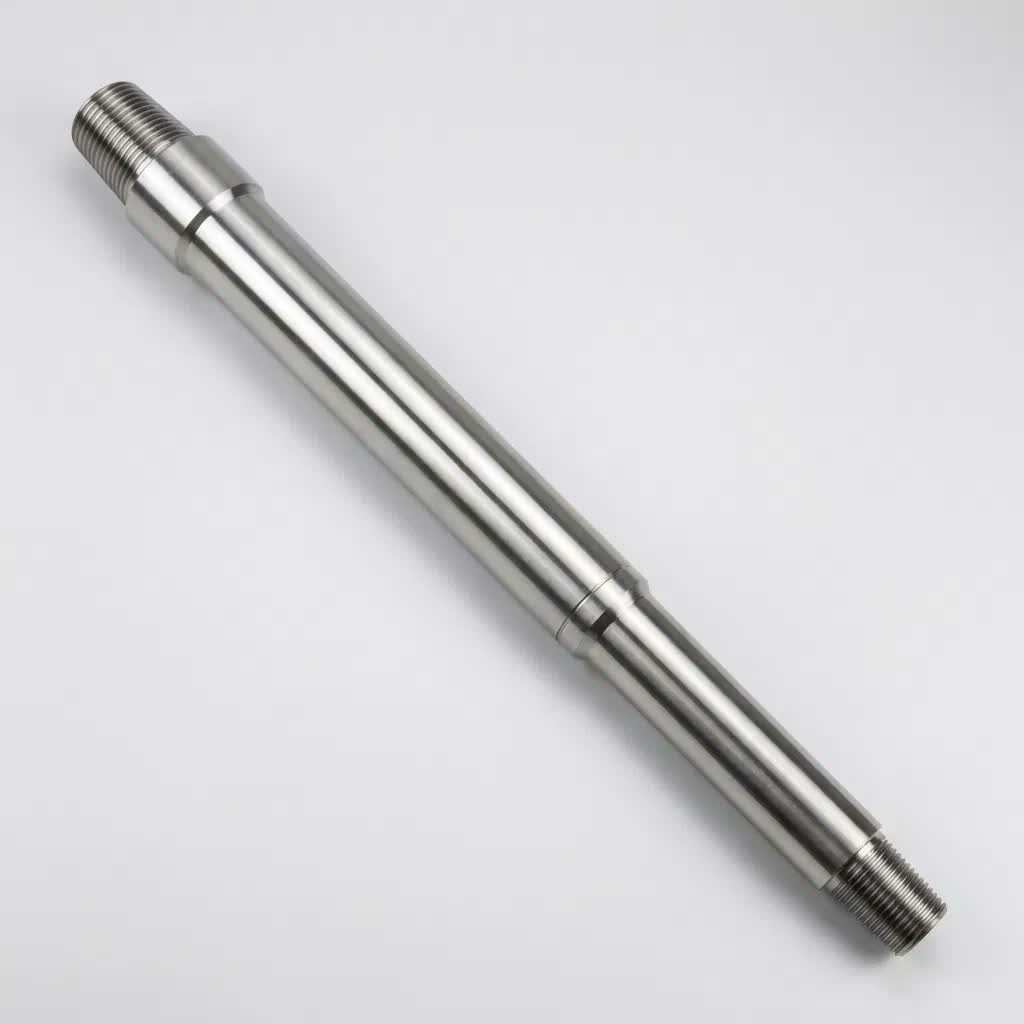
NMDC / Pony NMDC
Why MWD tools need non-magnetic spacing, how it's calculated, and what happens when it's wrong.
Read More →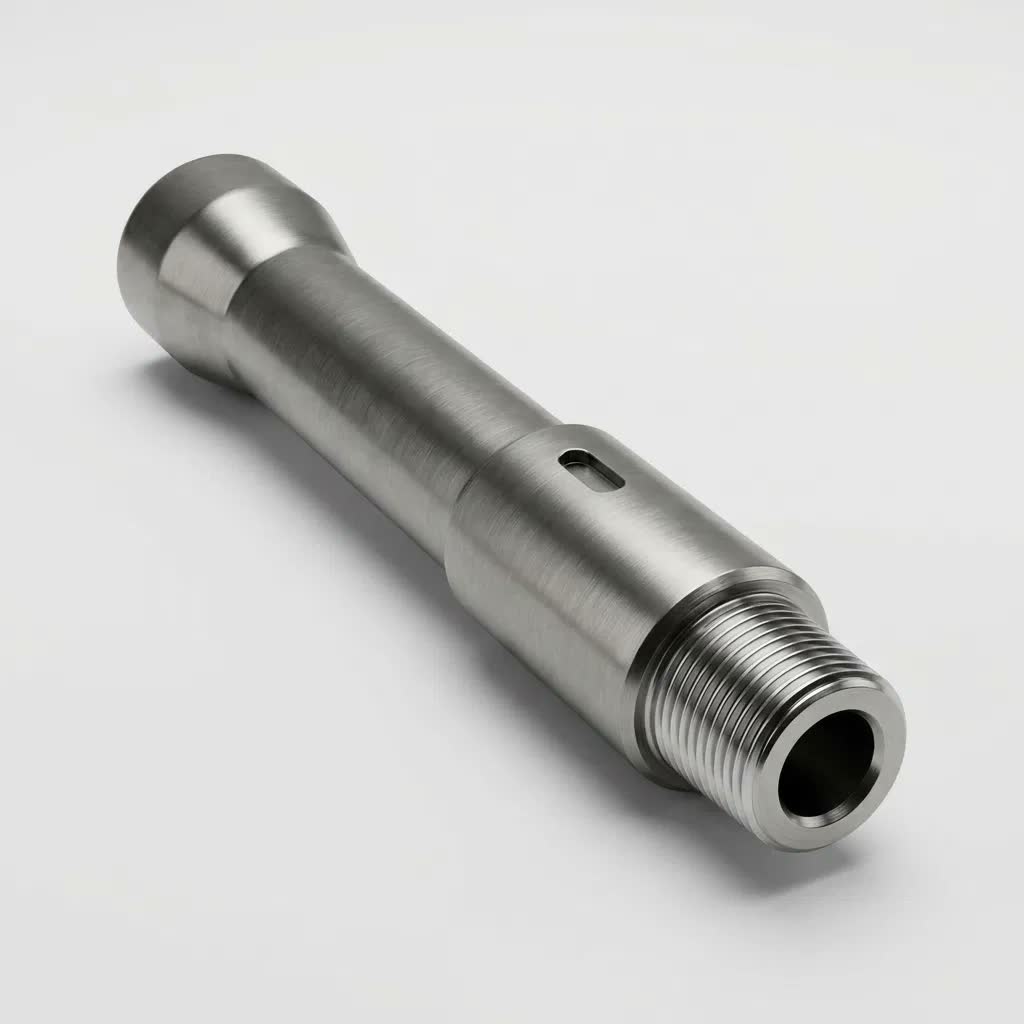
Lifting Sub
A handling accessory, not a downhole tool — how it differs from a crossover sub.
Read More →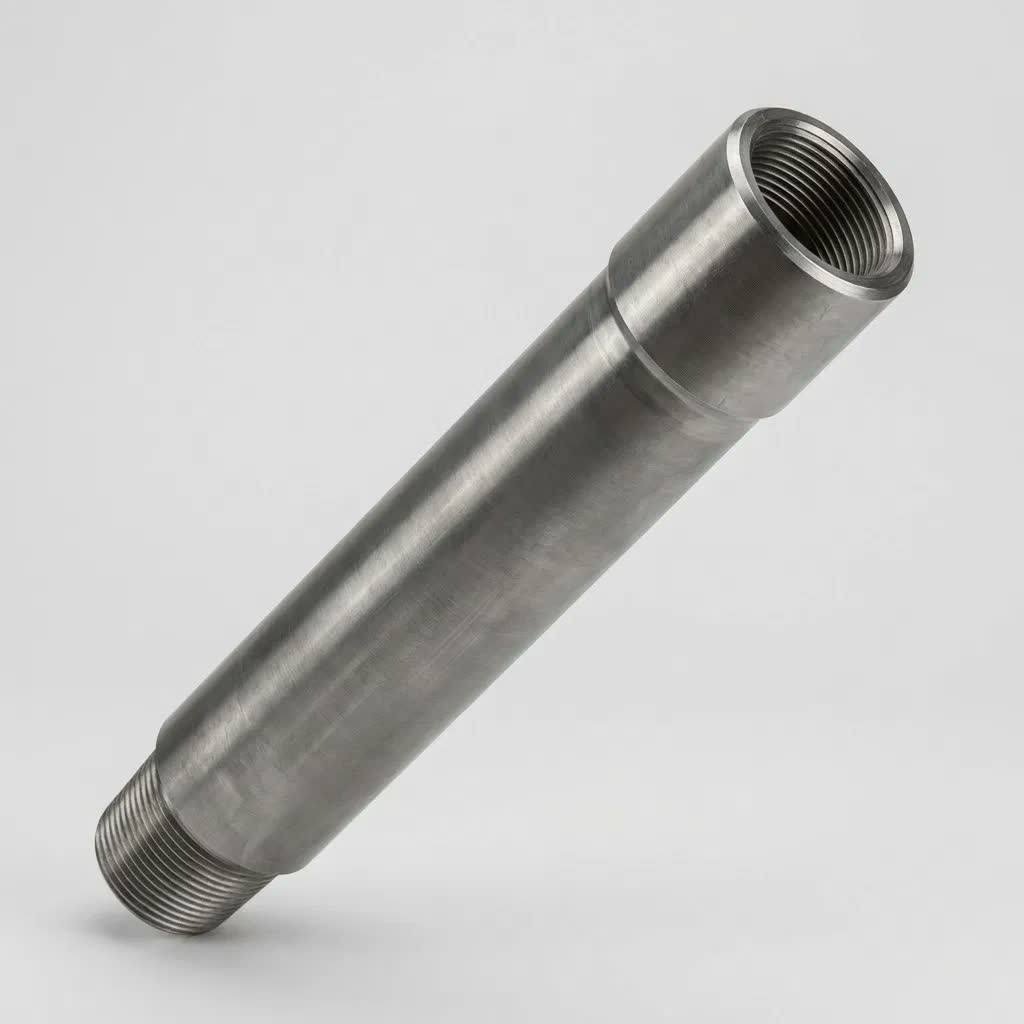
Pup Joint
Precise string spacing with the same thread and diameter, and how it differs from a crossover sub.
Read More →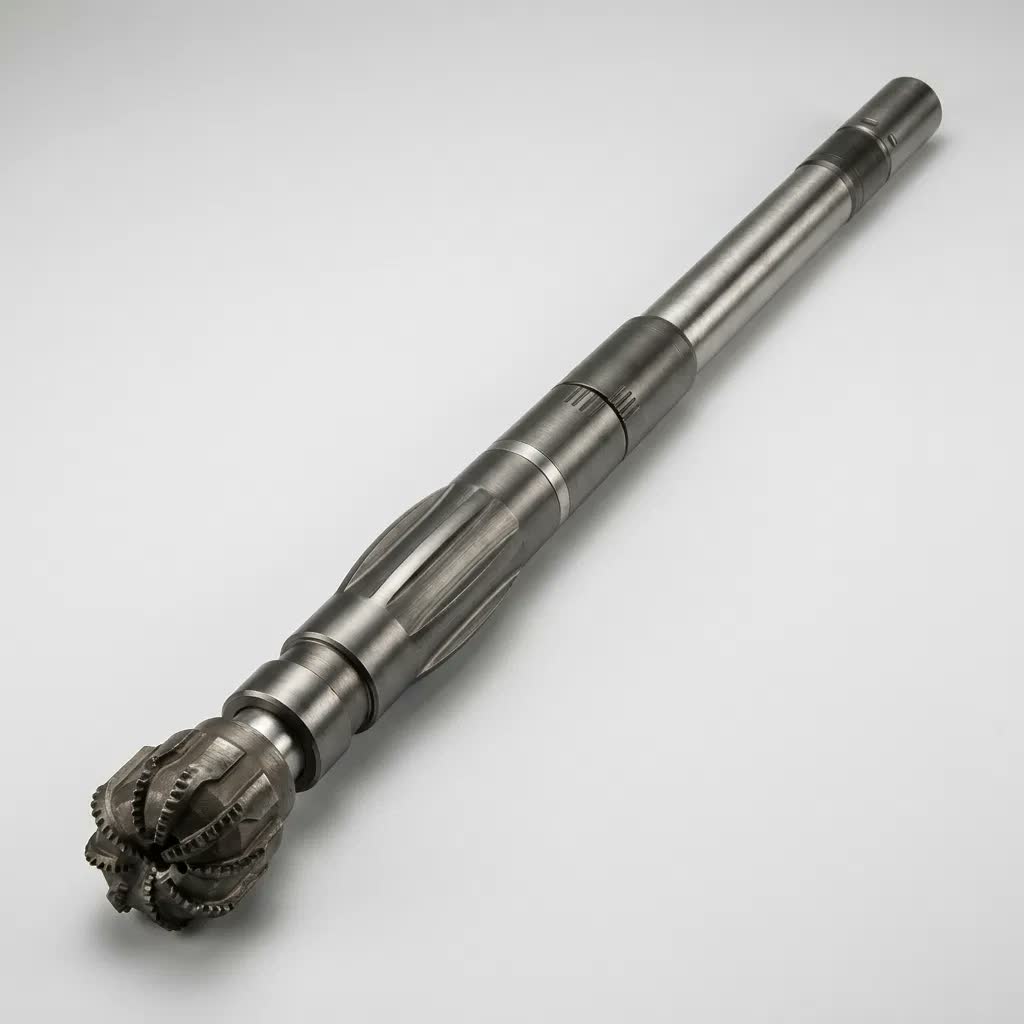
Positive Displacement Mud Motor
How the Moineau principle converts fluid flow into bit rotation, sliding vs. rotating drilling.
Read More →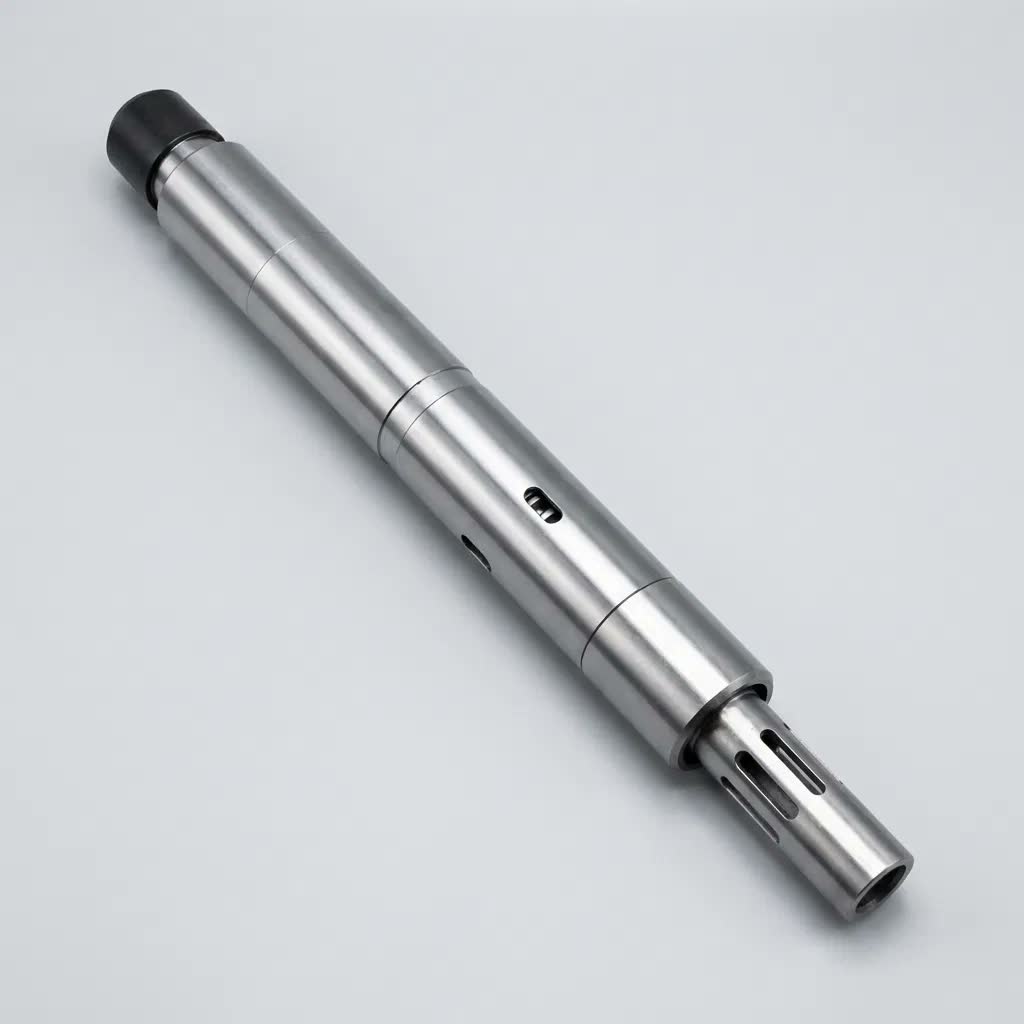
SCSSV Safety Valve
Fail-safe by design, regulatory requirements, and common failure modes.
Read More →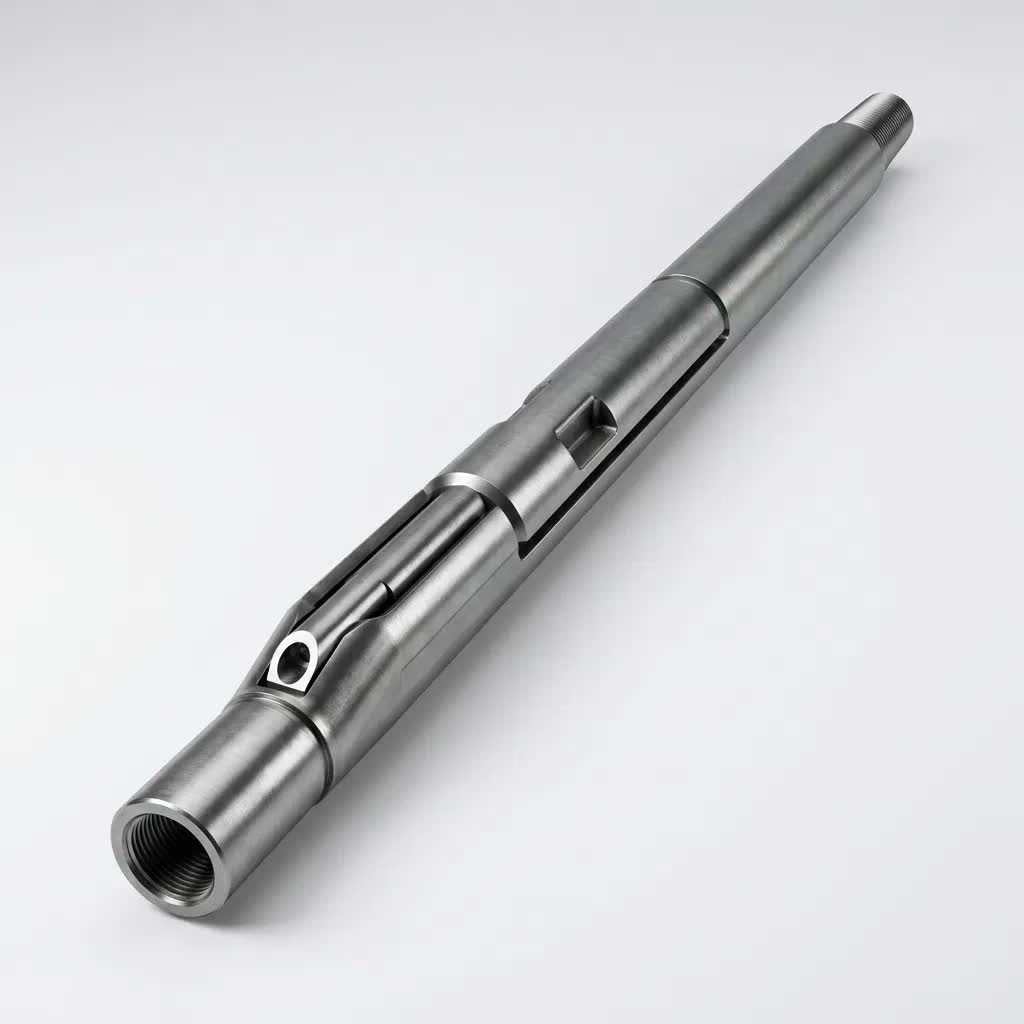
Gas Lift Mandrel
Side-pocket design for wireline valve retrieval, and mandrel spacing for staged unloading.
Read More →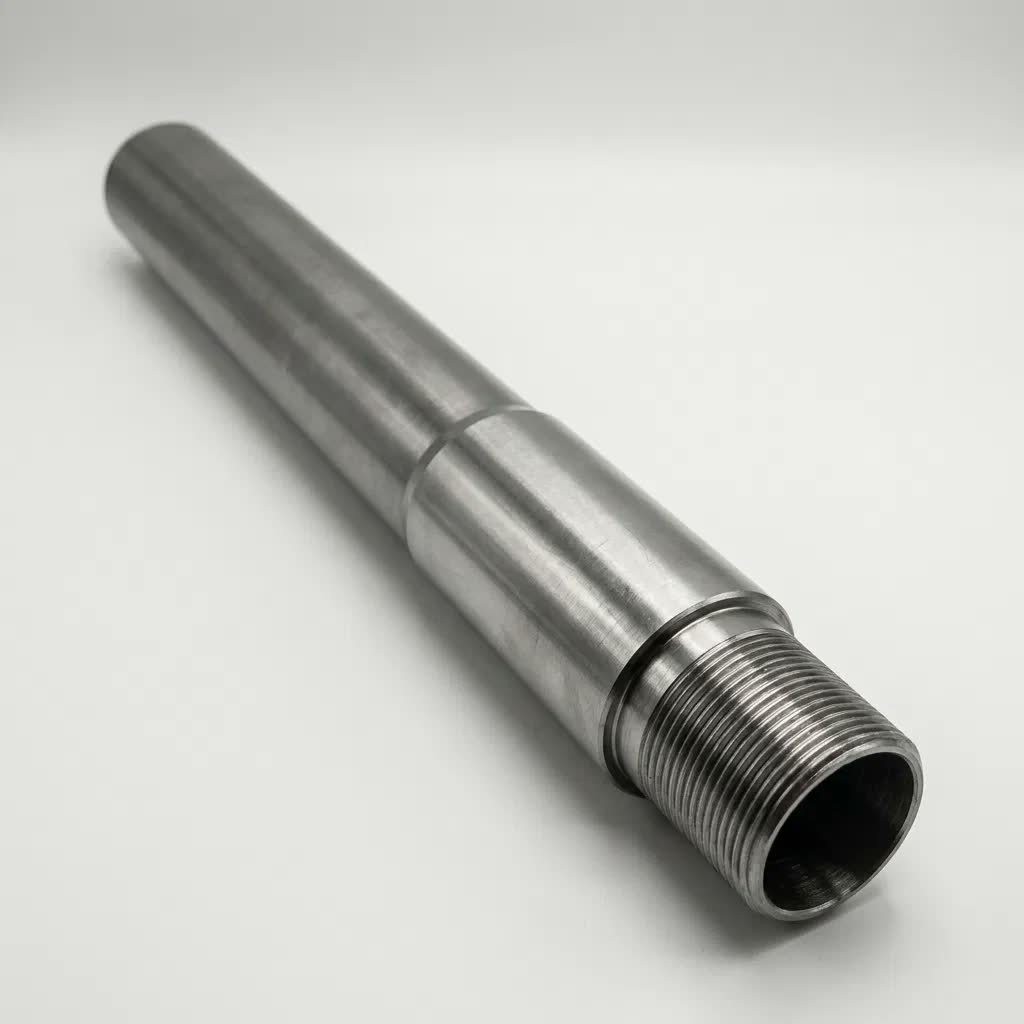
Blast Joint
Thick-wall erosion resistance opposite perforations or gas lift mandrels.
Read More →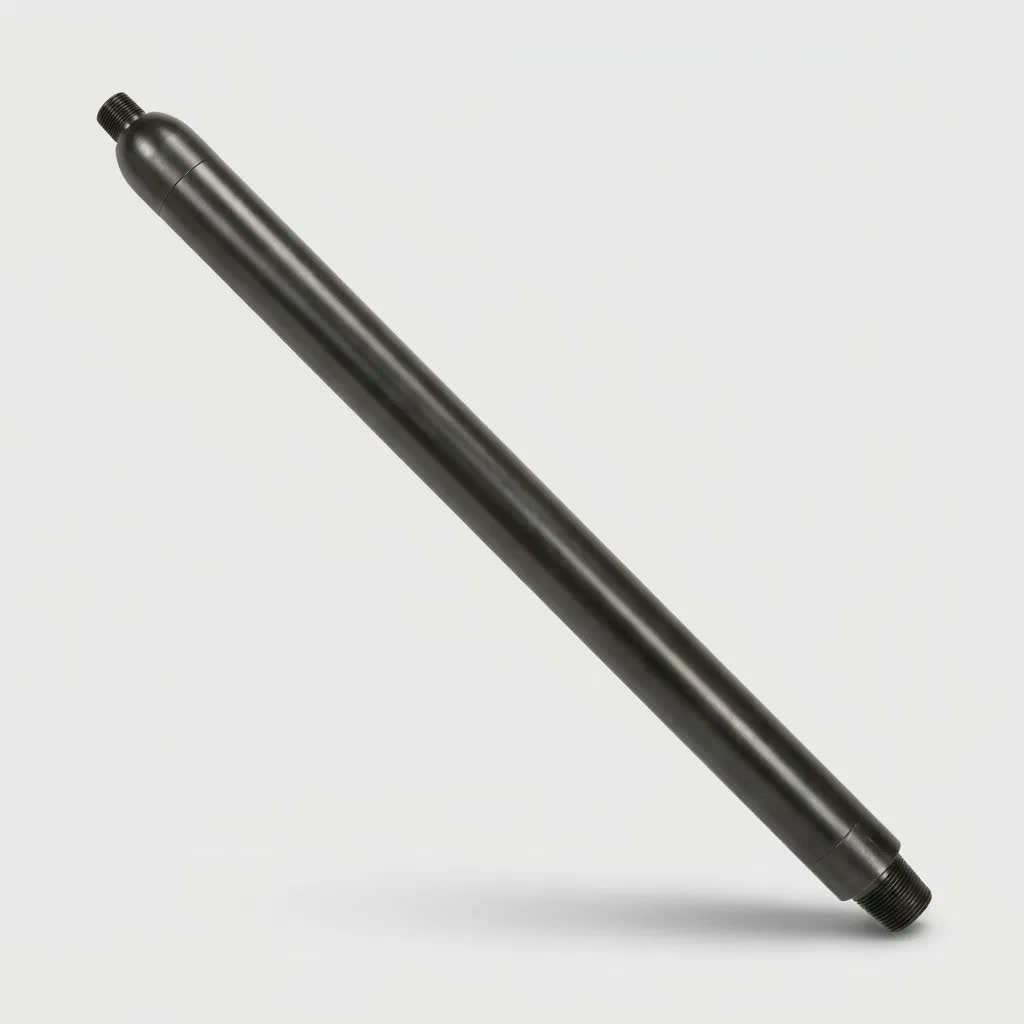
TCP Gun
Run on tubing instead of wireline — how it's fired downhole and common failure modes.
Read More →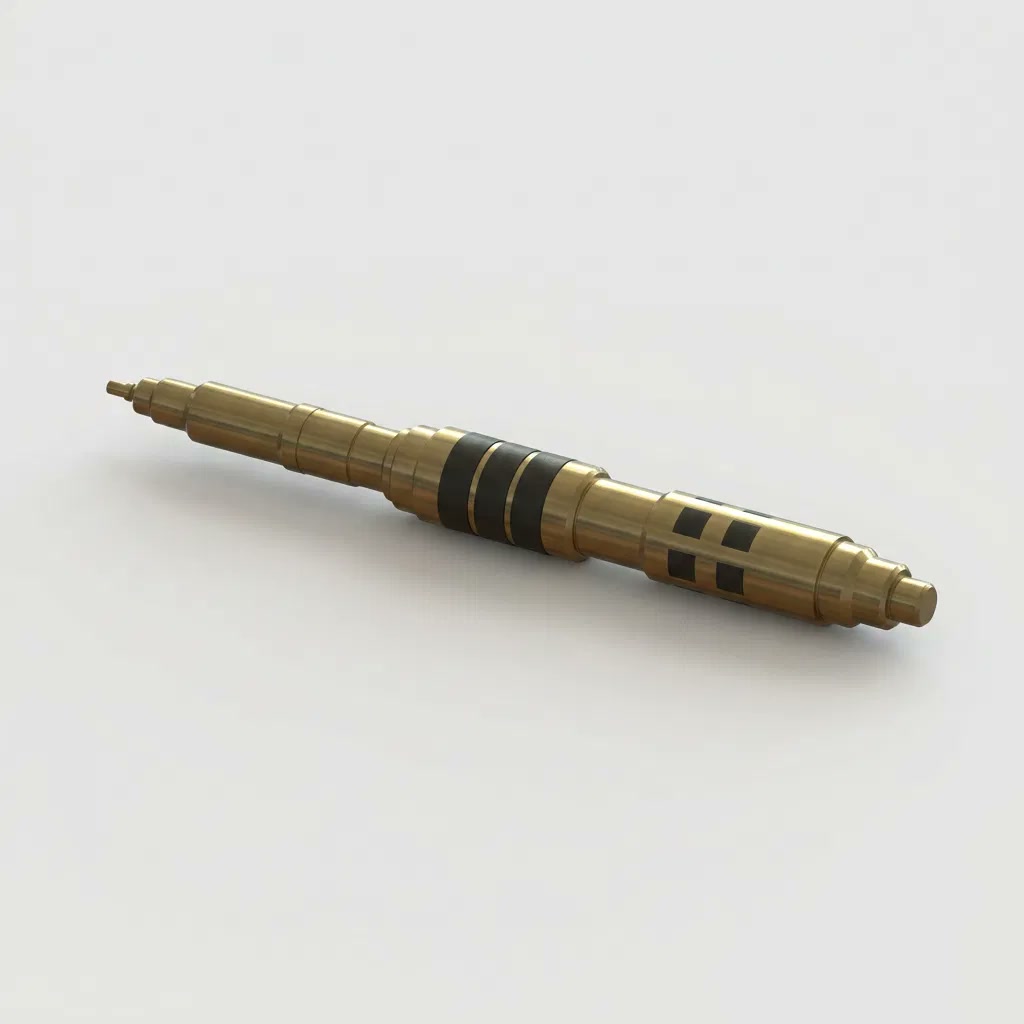
Tubing Plug
A wireline-retrievable plug set into a landing nipple to block tubing flow at a chosen depth.
Read More →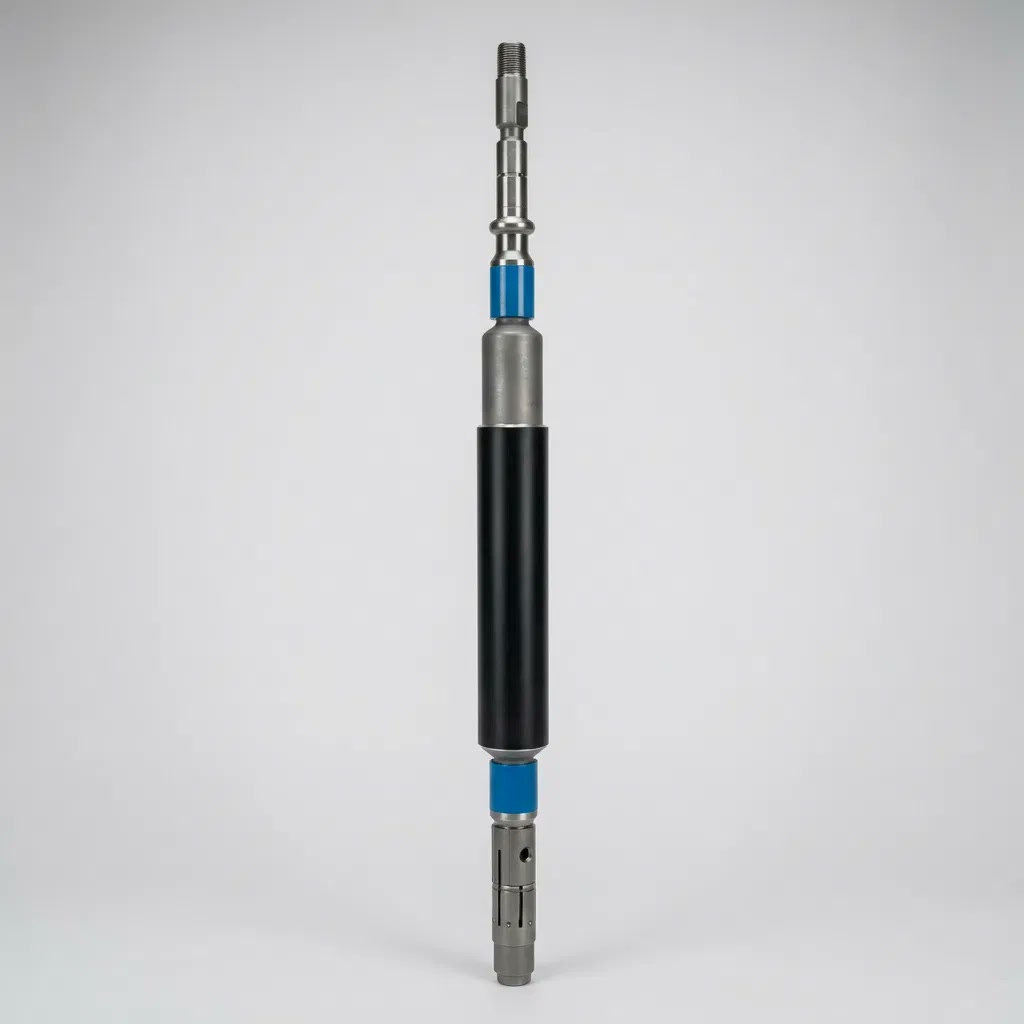
Casing Patch
A short expandable liner that restores pressure integrity across damaged casing from the inside.
Read More →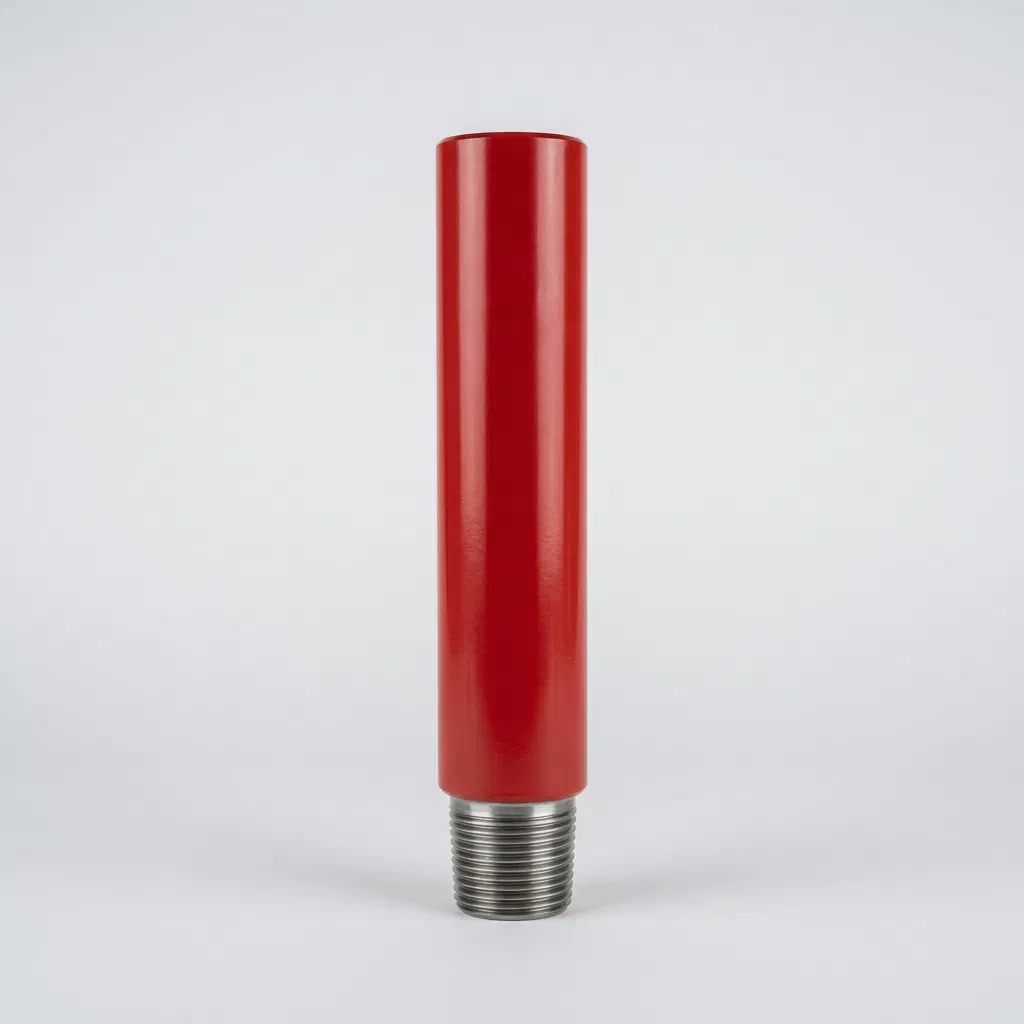
Landing Nipple
A precision-machined profile giving plugs, valves, and gauges a fixed point to lock into on wireline.
Read More →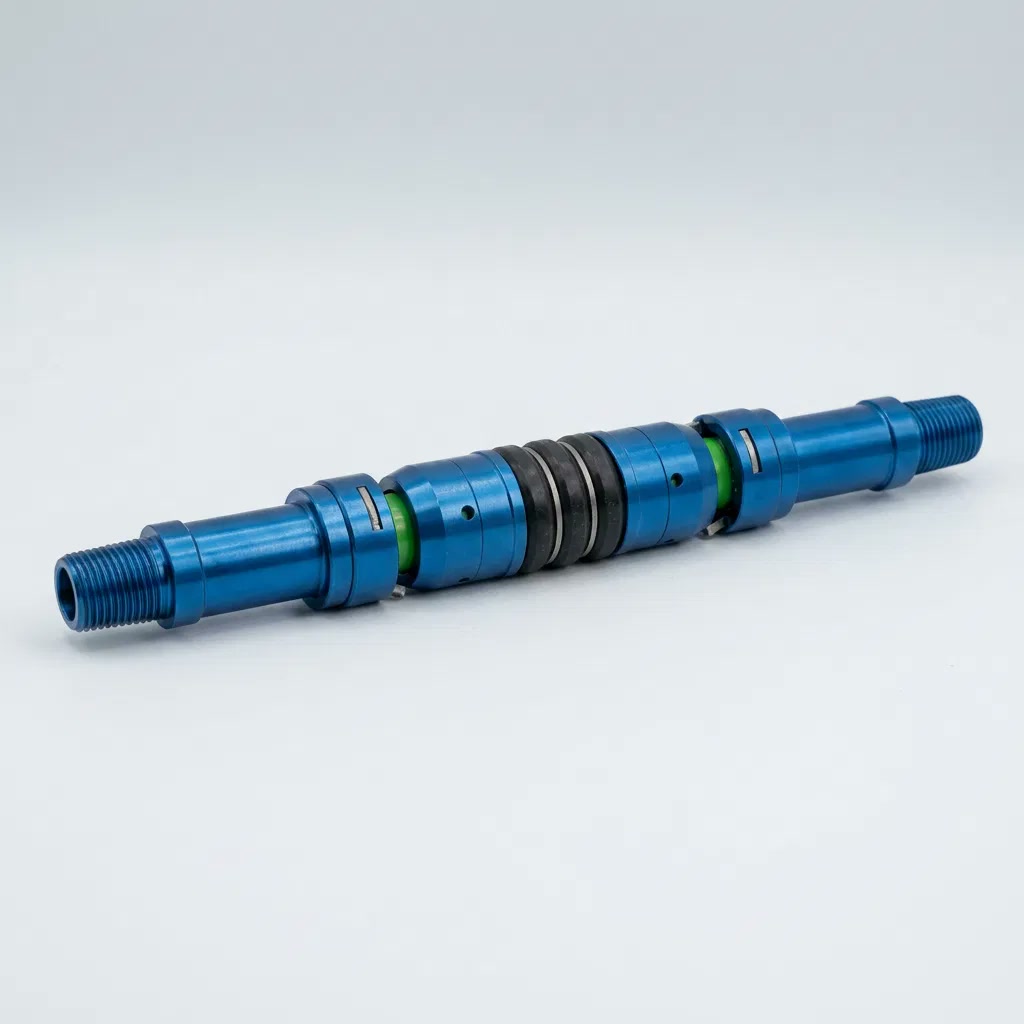
On-Off Tool
Lets the tubing string disconnect and later reconnect to a packer below without unseating it.
Read More →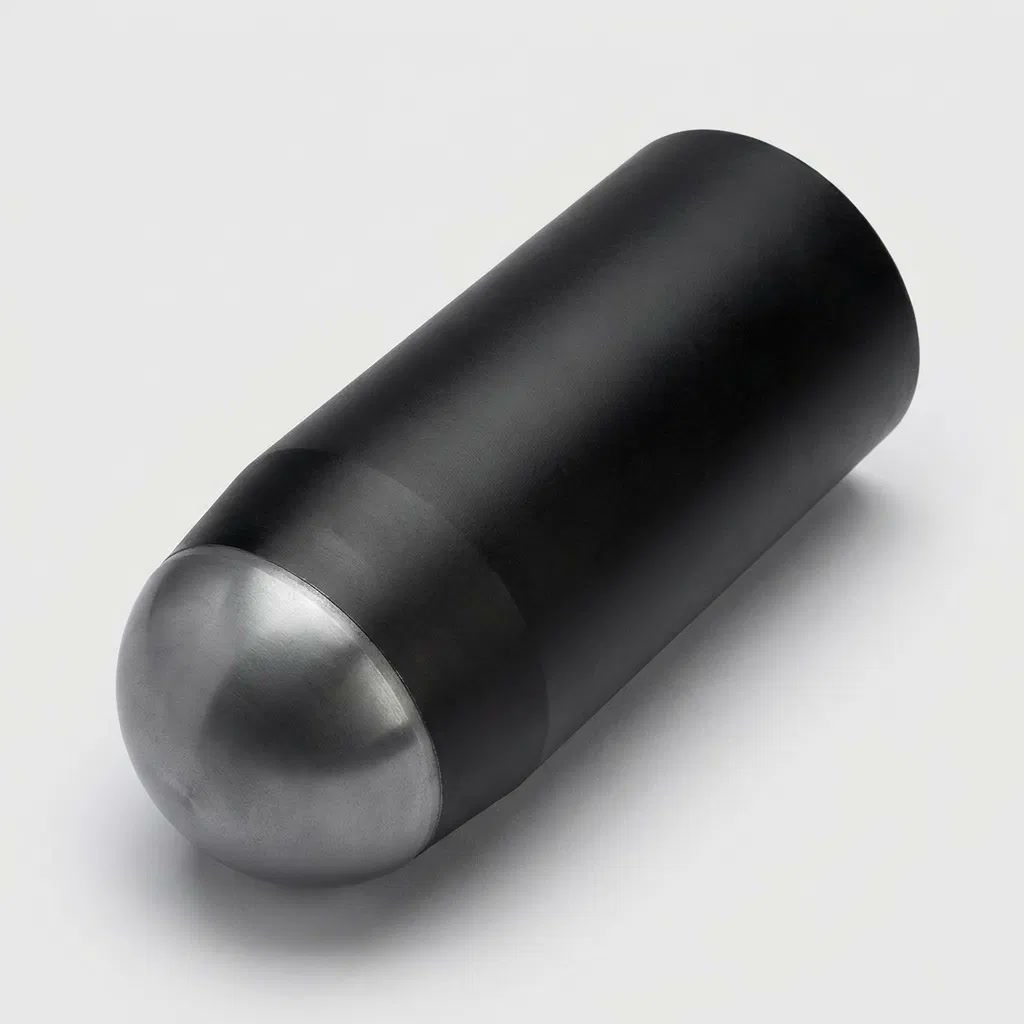
Casing Shoe
The rounded nose on the bottom of a casing string, guiding it past ledges on the way into the hole.
Read More →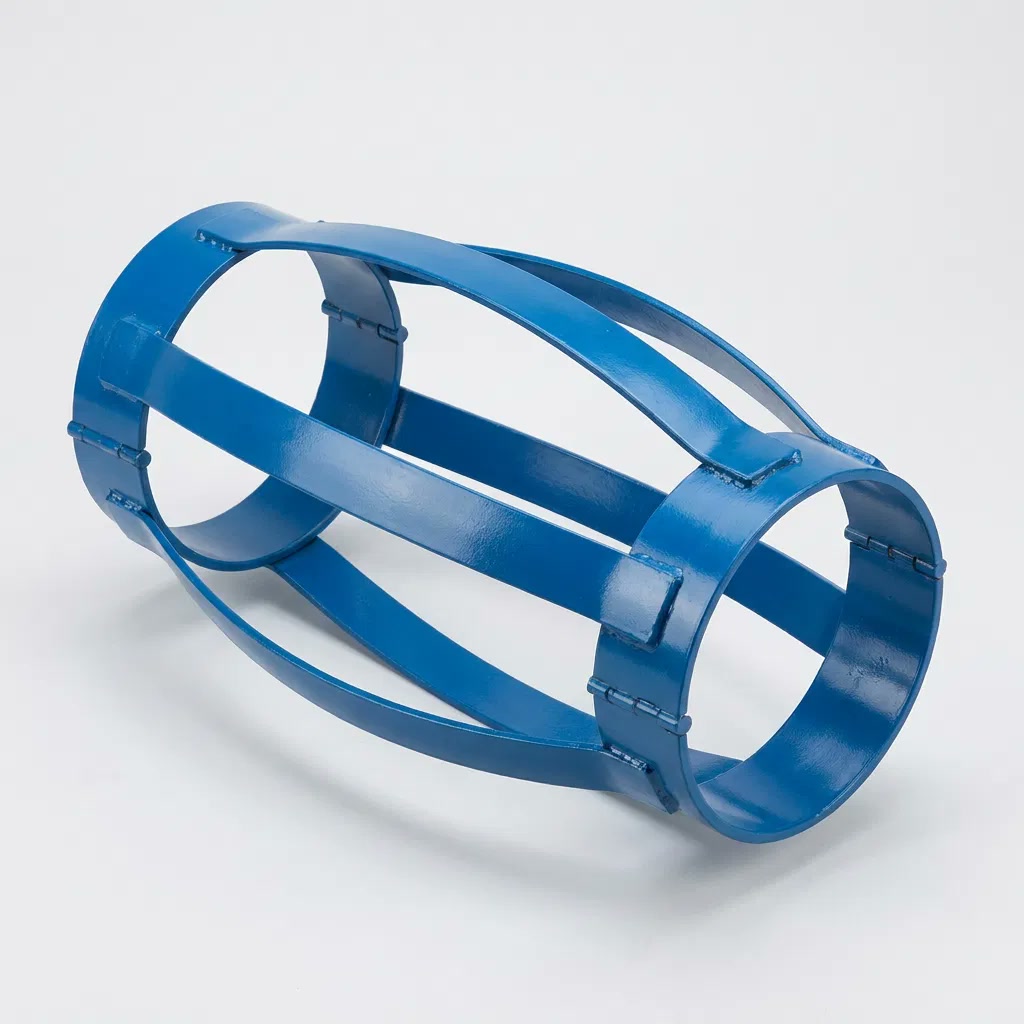
Centralizer
Clamps onto the casing OD and holds the string centered so cement forms an even sheath.
Read More →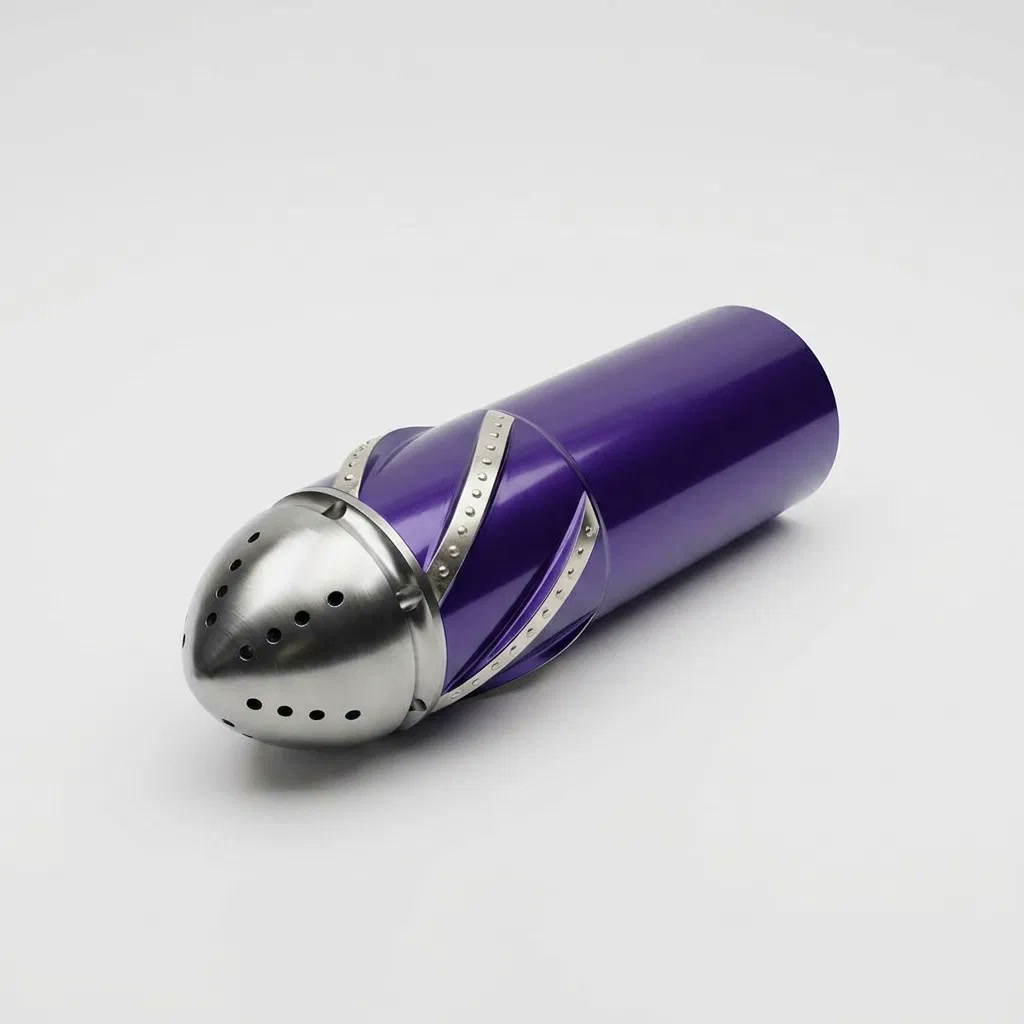
Mule Shoe
A beveled guide nose that helps a string slide past ledges and sharp window edges on the way in.
Read More →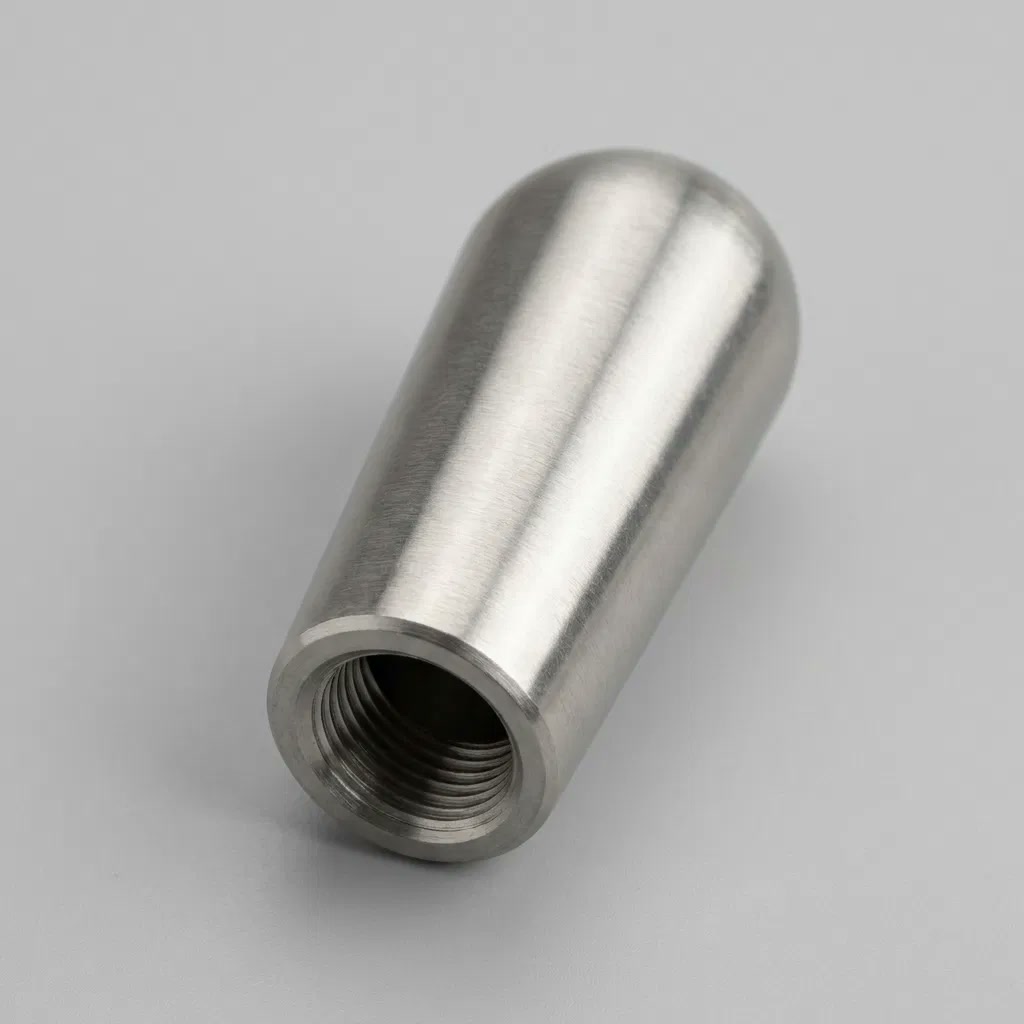
Bull Nose Plug
A solid, blind guide nose that protects whatever's below the string from debris, no flow passage.
Read More →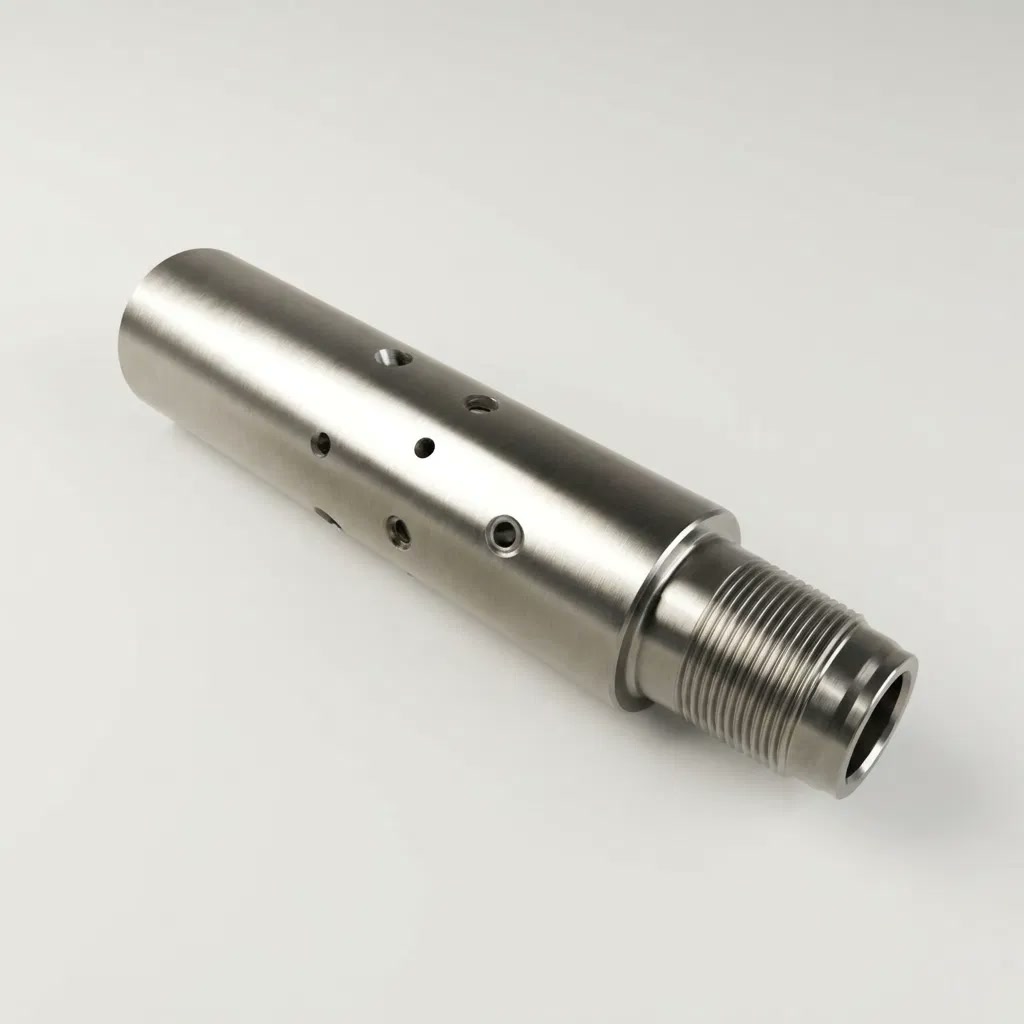
Jetting Tool
Directs high-velocity fluid jets to erode fill and debris out of the wellbore.
Read More →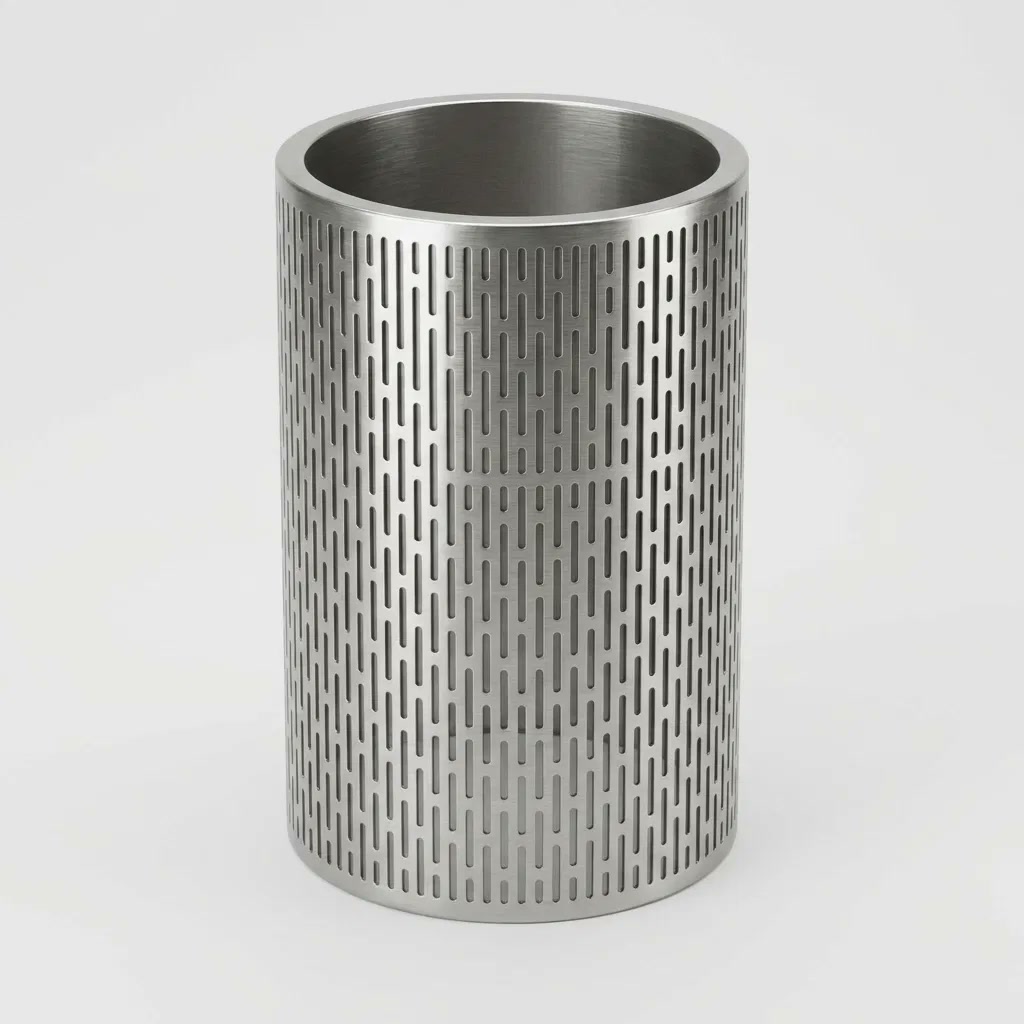
Expandable Sand Screen
Runs at a reduced diameter, then expands against the formation wall to filter sand.
Read More →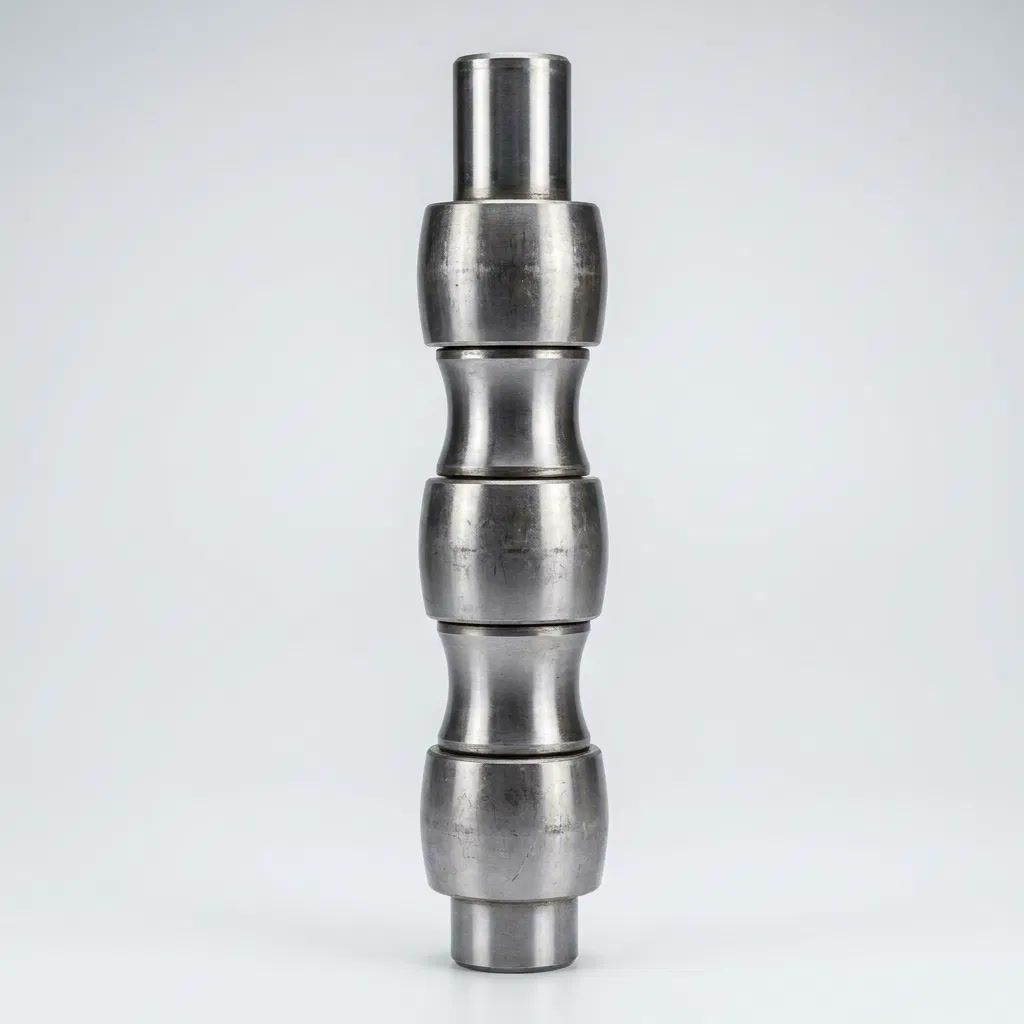
Casing Roller / Dressing Tool
Restores a round internal profile to dented casing by rolling the wall back toward shape.
Read More →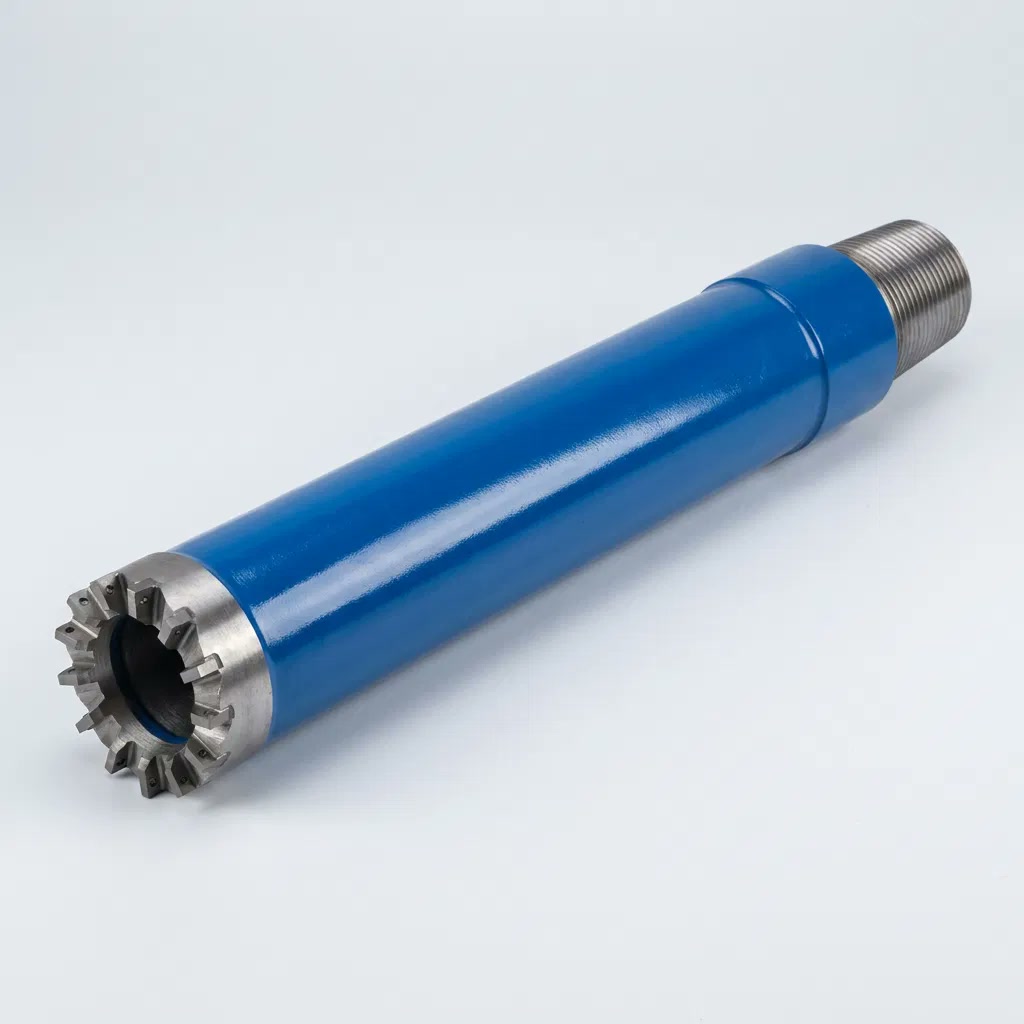
Wash Pipe
Large-diameter pipe run over a stuck fish to circulate away the fill actually gripping it.
Read More →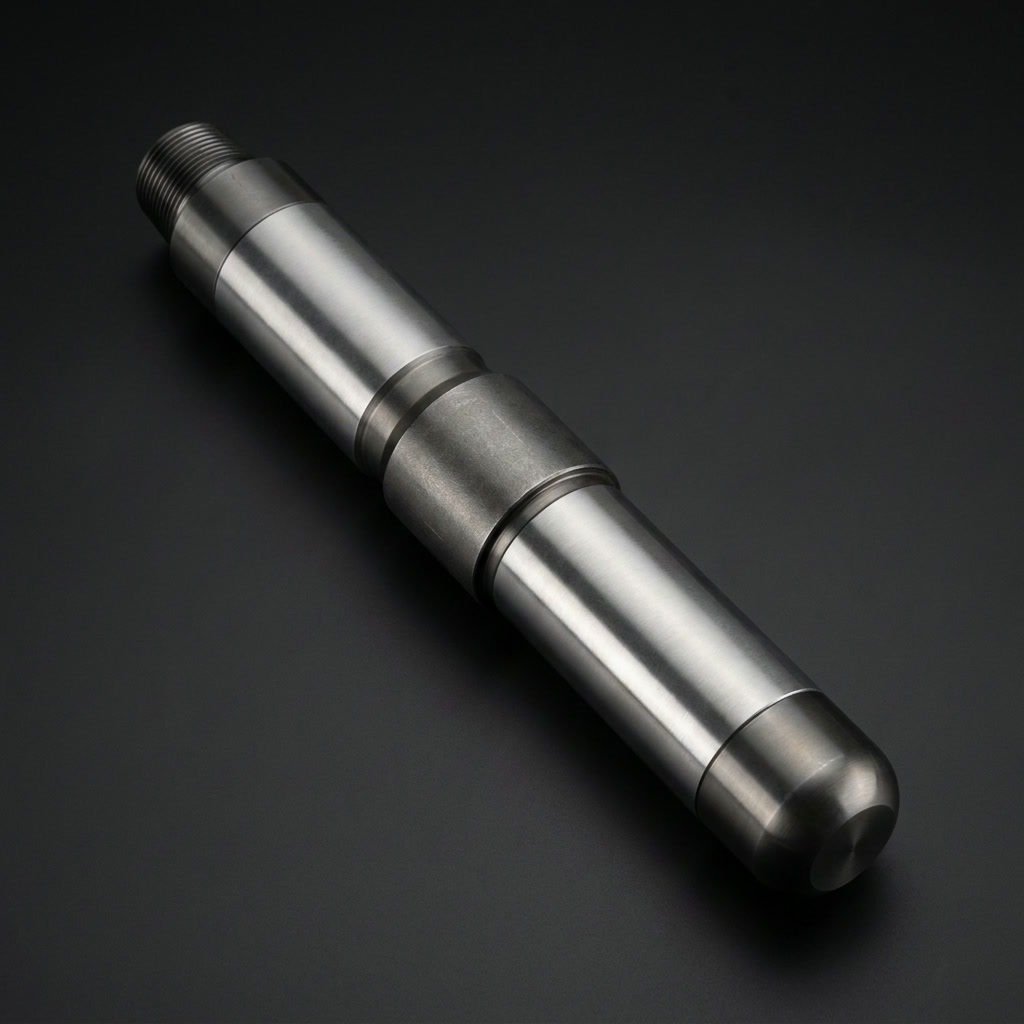
Well Protector
Shields wellhead sealing surfaces during intervention, and doubles as a debris-collection tool during BOP cleaning.
Read More →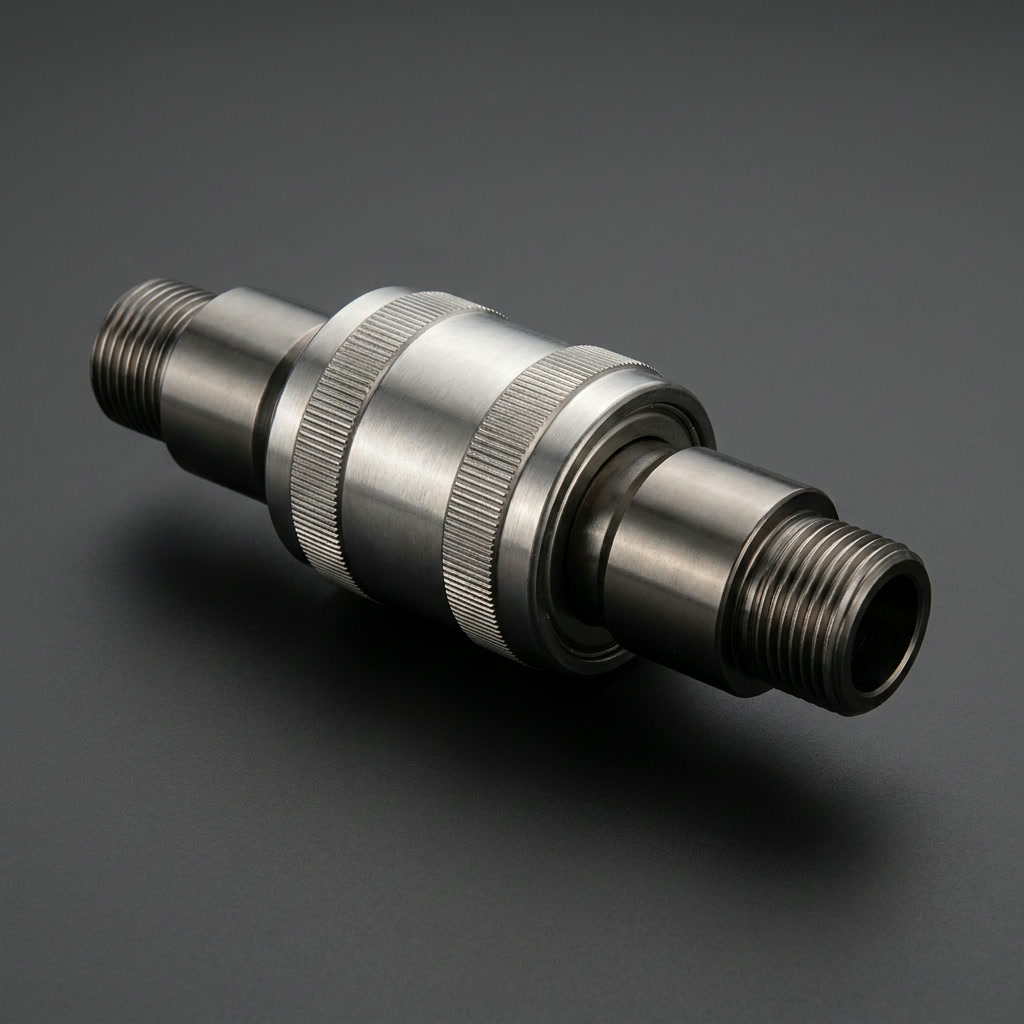
Fishing Swivel
A bearing-based downhole swivel that isolates torque in a fishing string, letting a releasing tool turn independently.
Read More →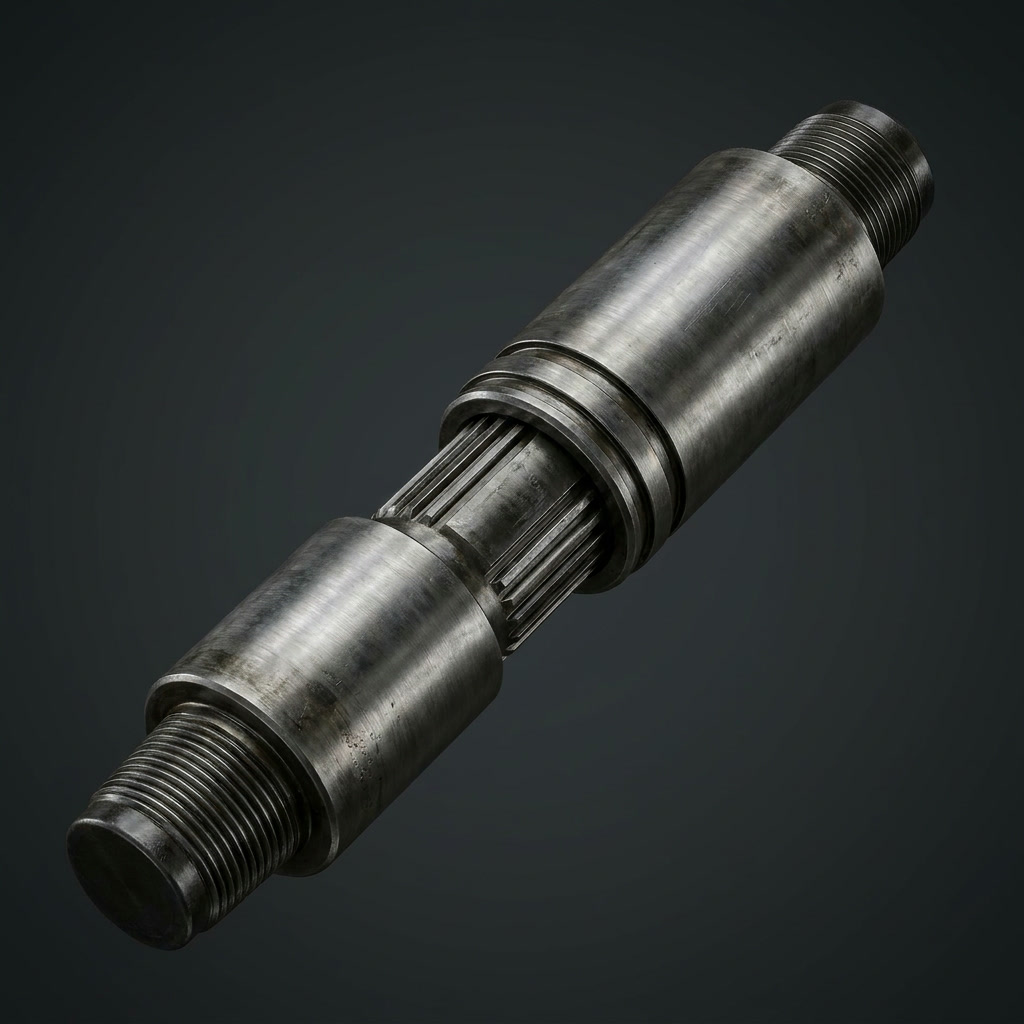
Bumper Sub
A telescoping tool that lets a jar's impact strike cleanly instead of stretching out through the pipe.
Read More →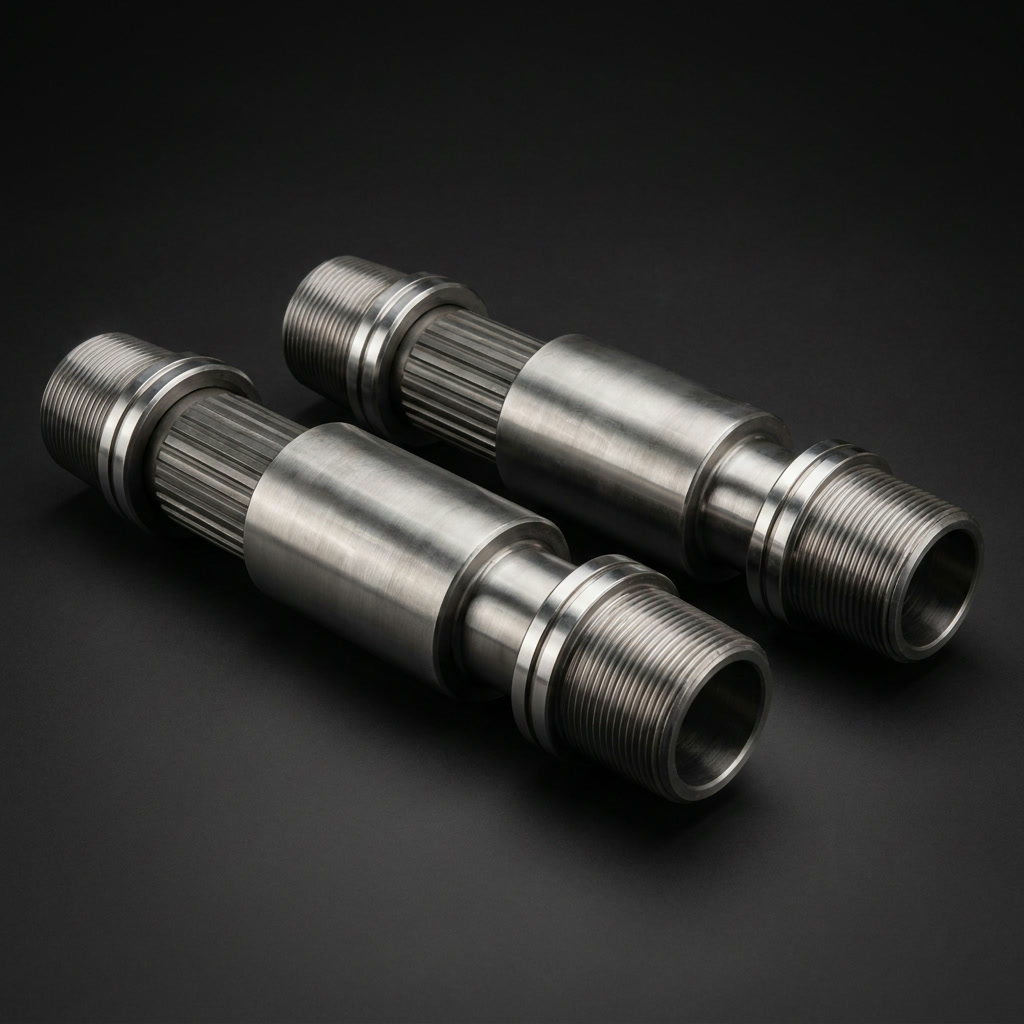
SABS vs. DABS
Single- vs. double-acting bumper subs — whether impact transmits in one direction or both.
Read More →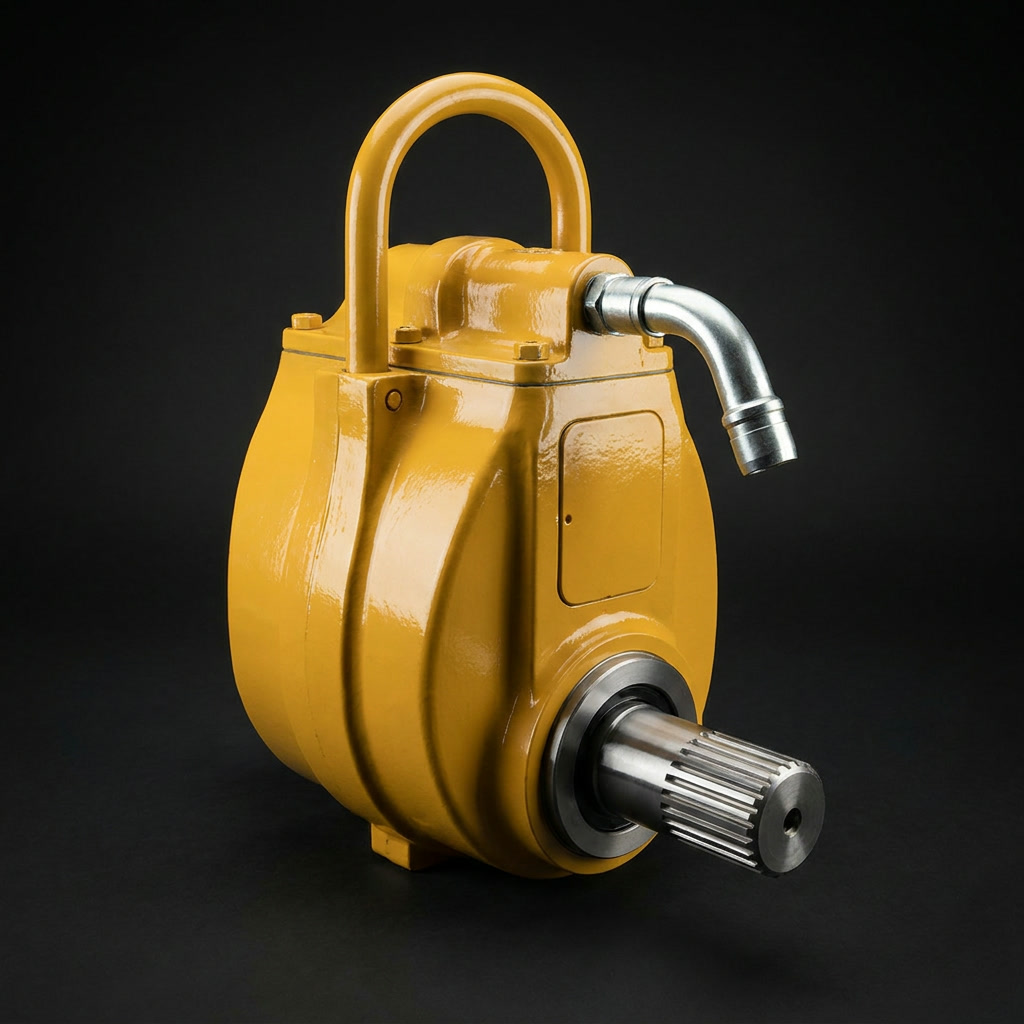
Power Swivel
How a workover rig rotates a string without a kelly, rotary table, or full drilling-rig top drive.
Read More →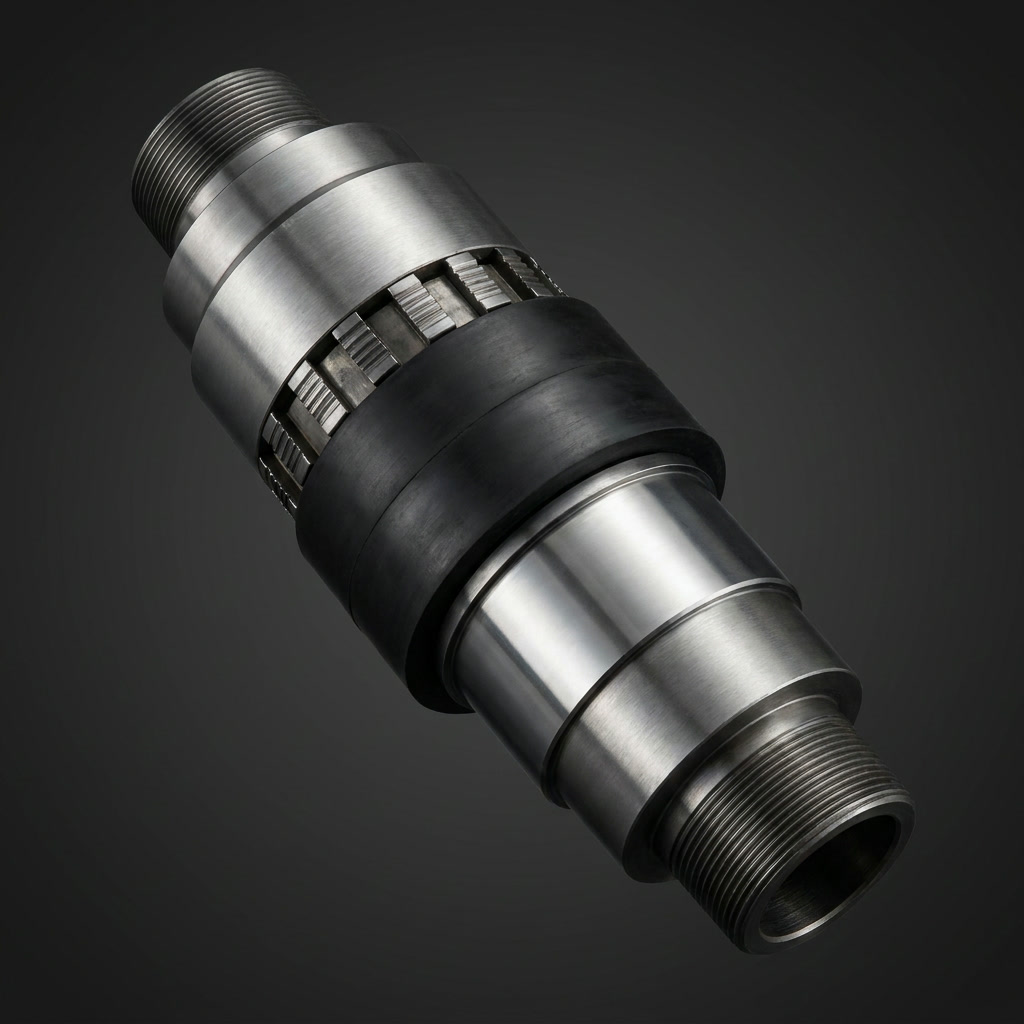
Hydraulic-Set Retainer Packer
Standard vs. sour-gas high-spec configurations, setting method, and how it differs from a cement retainer.
Read More →Every Rig's Six Systems
Hoisting System
Derrick, crown block, travelling block, and drawworks raise and lower the drill string.
Read More →Rotating System
Top drive or rotary table turns the drill string and bit at controlled RPM.
Read More →Fluid Circulation
Mud pumps force drilling fluid down-hole. Returns carry cuttings to surface shakers.
Read More →Pressure Control
Blowout preventers (BOPs) seal the wellbore during kicks and emergencies.
Read More →Power Generation
Diesel generators or SCR systems supply the massive electrical loads of rig equipment.
Read More →Mud Pit System
Shale shakers, desanders, desilters, and degassers process returned drilling fluid.
Read More →