Landing Nipple
A precision-machined profile in the tubing string giving plugs, valves, and gauges a fixed, known point to lock into and be retrieved from on wireline.
What a Landing Nipple Is
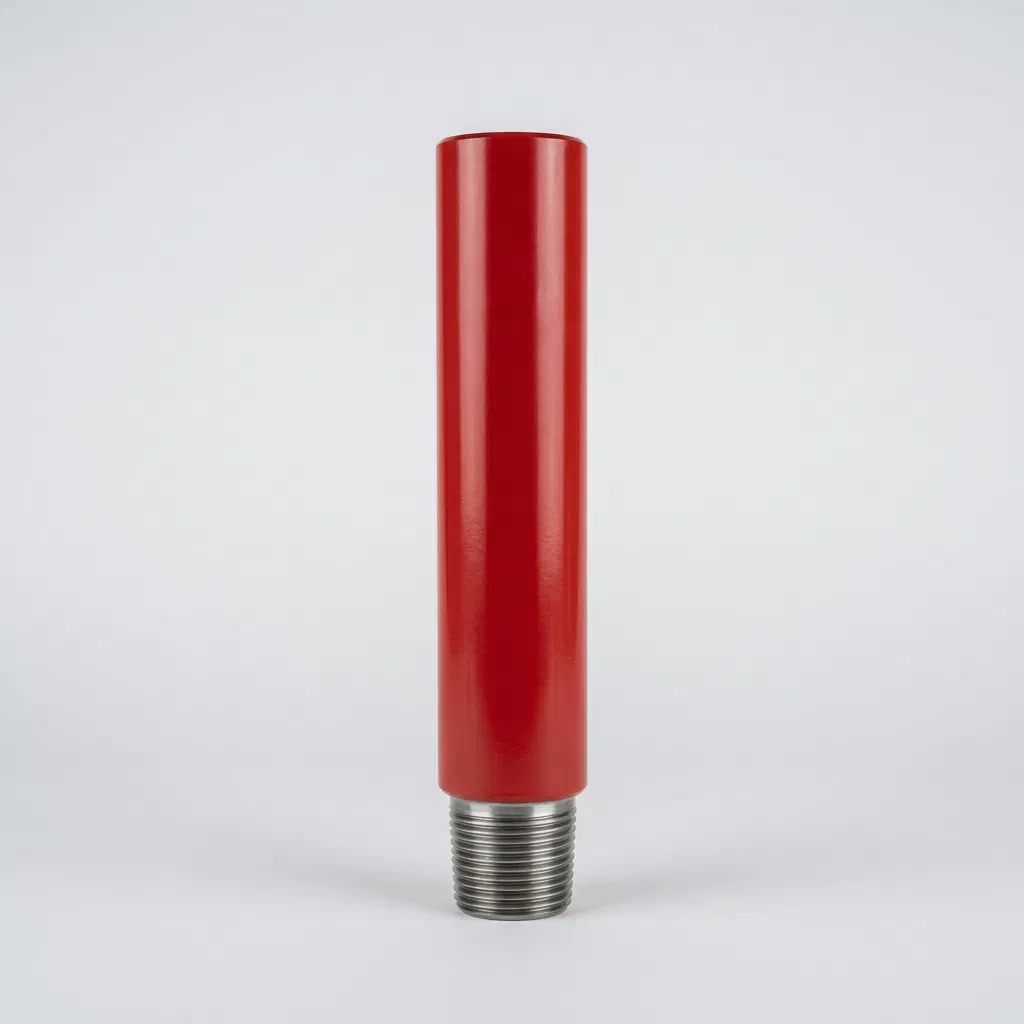
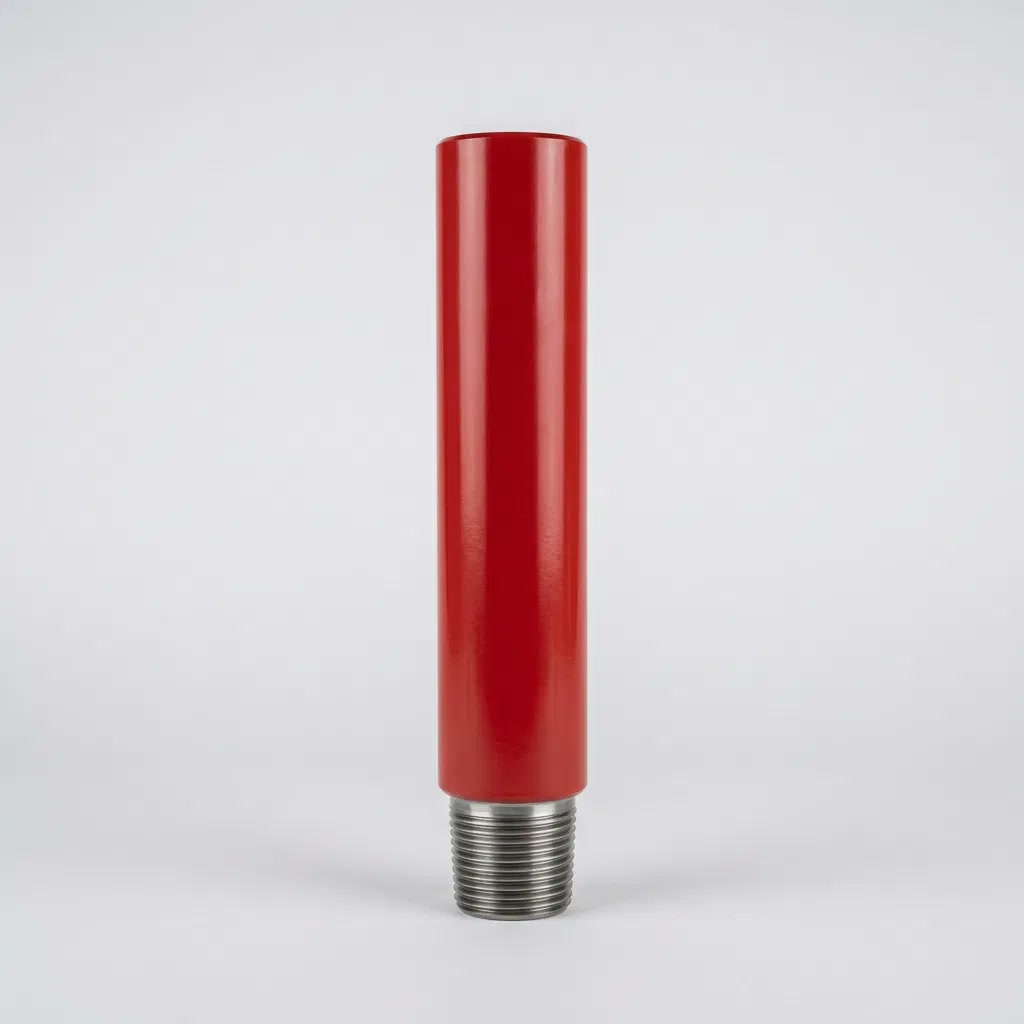
A landing nipple is a short sub installed at a specific point in the tubing string, machined internally with a precise locking profile — typically a set of grooves — paired with a sealing bore of a known, consistent diameter. Together, those features give wireline or coiled-tubing-run tools a fixed location to latch into and seal against, every time, without requiring the tubing string itself to be pulled.
What Sets Into a Landing Nipple
- A tubing plug, blocking flow through the tubing at that depth for a pressure test or temporary isolation.
- An SCSSV lock mandrel, anchoring a wireline-retrievable safety valve insert at the nipple's position.
- Gauges or chokes, when the completion design calls for downhole monitoring or flow control hardware set at a specific, repeatable depth.
Profile Specificity Matters
A given nipple's locking profile and sealing bore ID are matched to a specific family of lock mandrels and seal assemblies — a tool built for a different profile or diameter simply won't latch or seal correctly. This is deliberate: completion designs with multiple nipples in the same string rely on this specificity so a particular tool lands at its intended nipple rather than any nipple it happens to fit loosely.
Common Failure Modes
- Debris or scale buildup in the locking grooves or sealing bore, preventing a lock mandrel from fully engaging or a seal from sealing properly.
- Profile wear from repeated setting and retrieving cycles over the life of the well, gradually degrading the nipple's ability to hold a tool securely.
- Wrong tool selection for the specific nipple profile installed, a planning error rather than a tool or nipple defect.
Landing Nipple vs. On-Off Tool
Both provide a fixed point of engagement in a completion, but for different kinds of hardware. A landing nipple is a passive profile that wireline-run tools lock into from inside the tubing bore. An on-off tool is an active mechanical connector joining the tubing string itself to a packer or lower completion, released and reconnected by rotation or pull rather than by running a separate tool on wireline.
Frequently Asked Questions
What is a landing nipple used for?
A landing nipple is a short sub with a precision-machined internal profile — locking grooves plus a sealing bore — installed in the tubing string to provide a fixed, known, wireline-retrievable set point. Plugs, chokes, safety valve lock mandrels, or gauges can all be set into a landing nipple and later retrieved from it, without pulling the tubing string itself.
How many landing nipples does a completion typically have?
It varies by completion design — some wells have just one or two, others have several at different depths for different purposes (a tubing plug set point, an SCSSV lock mandrel location, a gauge hanger profile). Each nipple's locking profile and ID are chosen deliberately as part of the completion design, not added incidentally.
Can any plug or tool be set in any landing nipple?
No — a given nipple's locking profile and sealing bore ID match a specific family of lock mandrels and seal assemblies. A tool built for a different profile or ID simply won't latch or seal correctly, which is why completion designs specify nipple profiles precisely and why selectively landing a tool at a particular nipple (when multiple nipples are in the string) relies on sizing, not just position.
What causes a landing nipple to fail to hold a set tool?
Debris or scale built up in the nipple's locking grooves or sealing bore can prevent a lock mandrel from fully engaging or a seal from sealing. Wear on the nipple's internal profile from repeated setting and retrieving cycles over the life of the well can also degrade its ability to hold a tool securely.