Fishing Swivel
A bearing-isolated tool that lets a releasing mechanism on the fish rotate freely, without turning the thousands of feet of pipe above it.
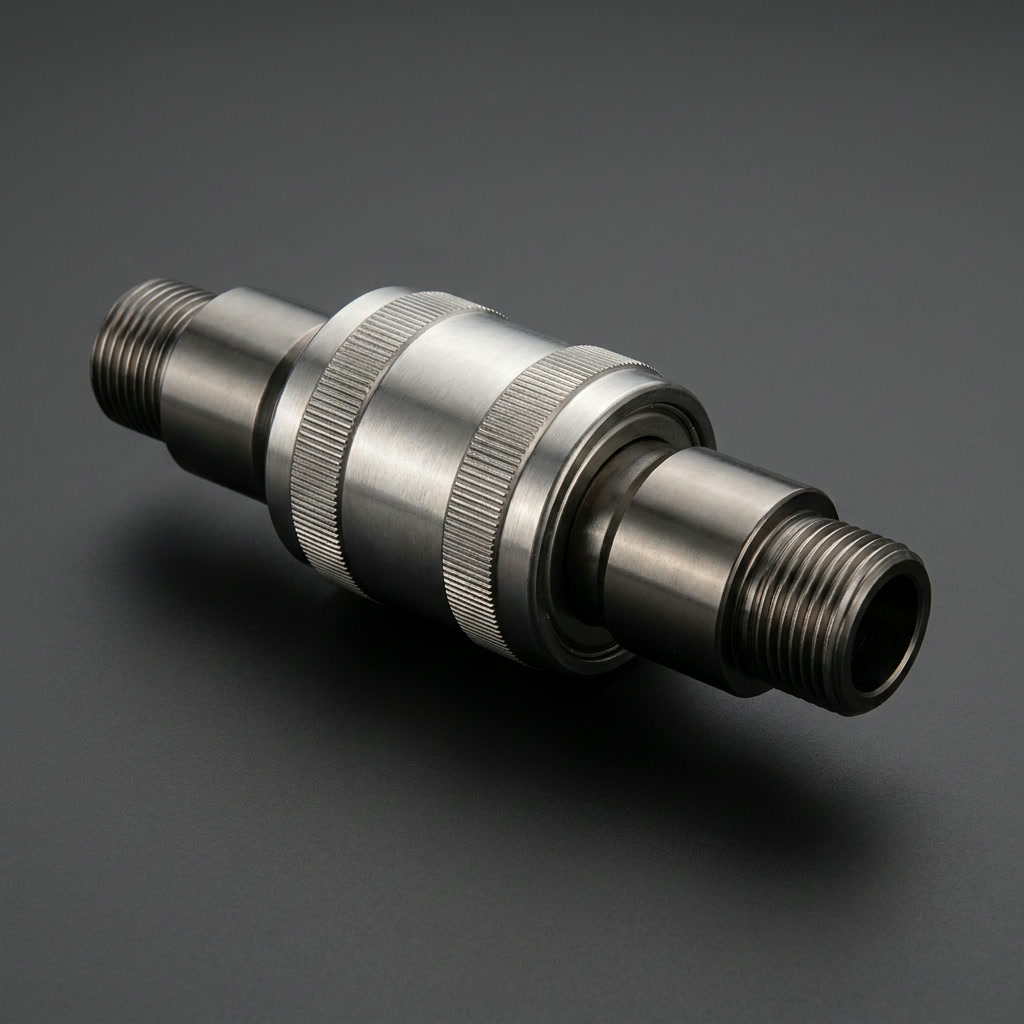
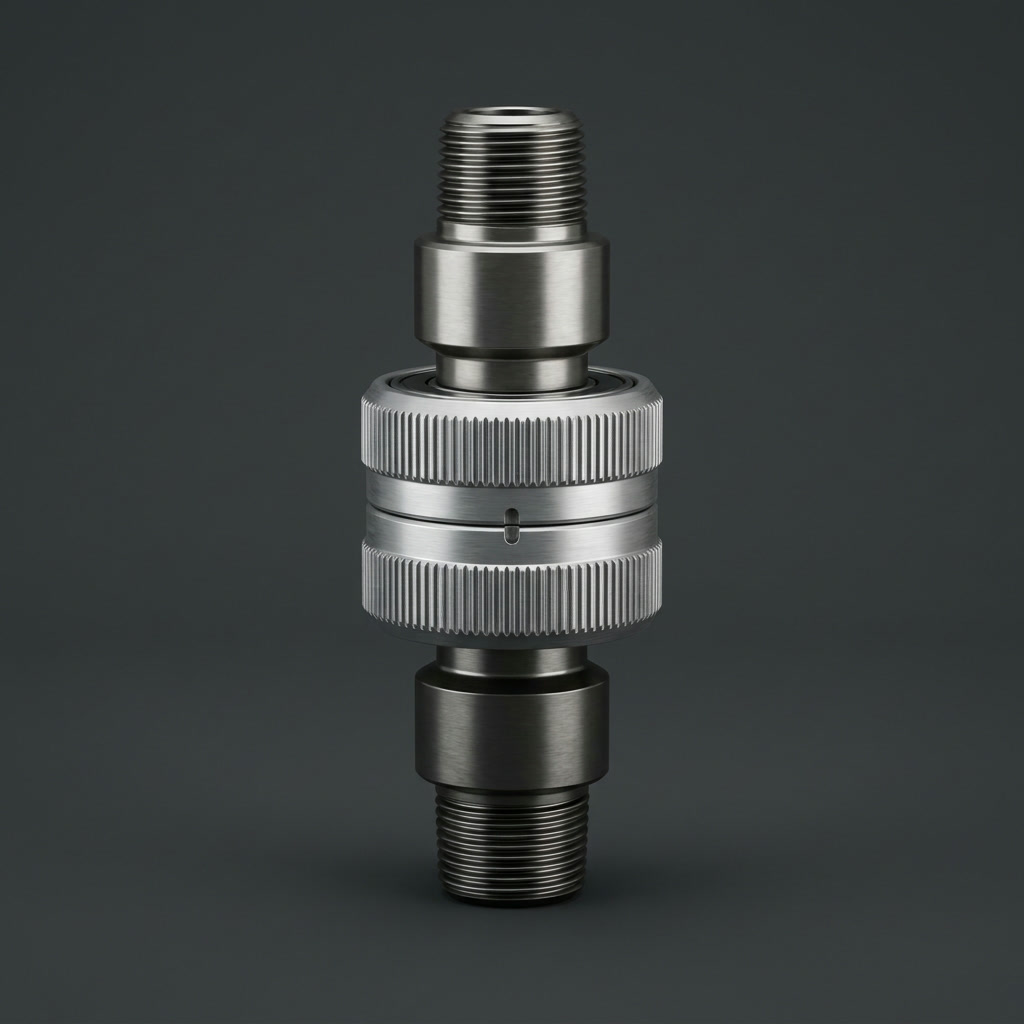
What a Fishing Swivel Is
A fishing swivel is a bearing-equipped tool placed in a fishing string between the work string above and the fishing tool engaged on the fish below. Its bearing interface lets the lower connection rotate independently of the upper one, while still transmitting axial load — weight and pull — and allowing fluid to circulate through its bore. Torque, deliberately, does not pass through.
That isolation is the whole reason the tool exists: certain fishing-tool release mechanisms, most notably rotary releasing spears and some overshot designs, actuate by rotating the tool itself relative to the fish. A fishing swivel lets that happen at the bottom of the string without rotating everything above it.
When and Why a Fishing Swivel Is Run
- Rotary release mechanisms. Any fishing tool — commonly a rotary releasing spear — that disengages from the fish via a specific number of rotations needs that rotation isolated to just the tool itself, not transmitted through the full string.
- Protecting connections above. Working torque down thousands of feet of jointed pipe to actuate a bottom-hole tool risks backing off threaded connections elsewhere in the string that were never meant to see that rotation.
- Avoiding sympathetic rotation of other BHA tools. If other components above the swivel — stabilizers, jars, other subs — aren't meant to rotate during the release sequence, the swivel keeps that rotation contained below it.
How It Works
Internally, the swivel's upper and lower mandrels connect through a thrust-and-radial bearing assembly rather than a rigid or splined connection. The bearing carries the axial load passing through the tool — the pull being applied to work the fish, plus the tool's own weight — while allowing free relative rotation between the two mandrels. A central bore through both mandrels, sealed across the bearing section, preserves circulation path through the tool.
Common Failure Modes
- Bearing wear or galling from side load or sand-laden fluid passing through the tool, which can cause binding and start transmitting unwanted torque — defeating the tool's purpose.
- Seal failure at the bearing interface, letting wellbore debris into the bearing track and accelerating wear.
- Overload on the bearing race if the tool's rated axial load is exceeded, particularly under heavy jarring loads combined with the torque-isolation function.
Fishing Swivel vs. Bumper Sub
Both tools isolate something between the work string and the fish, but different things. A bumper sub isolates axial movement — it lets the string above travel a short distance relative to the tool below, which is what lets a jar strike. A fishing swivel isolates rotation — it lets the tool below turn independently of the string above, which is what lets a rotary release mechanism actuate. A fishing BHA can carry both, for different reasons, in the same trip.
Frequently Asked Questions
What is a fishing swivel used for?
A fishing swivel is placed in a fishing string to let the tool engaged on the fish rotate independently of the work string above it, while still allowing weight, pull, and circulation to transmit through the tool. It is used whenever the fishing tool itself needs to rotate to release — a rotary releasing spear or overshot, for example — without requiring the entire string above to rotate in sympathy.
Why not just rotate the whole string instead of using a swivel?
Rotating the entire work string to actuate a releasing tool at the bottom works a lot of torque through thousands of feet of pipe and risks unintentionally backing off connections elsewhere in the string, or rotating other tools in the BHA that were never meant to turn. A fishing swivel isolates that rotation to just the connection below it, so only the intended release mechanism actually turns.
Does a fishing swivel transmit torque at all?
No — that is the entire point of the tool. A fishing swivel is built to isolate torque, not transmit it, using a bearing interface between its upper and lower connections. It does transmit axial load (pull and weight) and allows circulation through its bore, but rotational force above the swivel does not pass through to the fish below it.
What causes a fishing swivel to fail?
Bearing wear or galling from side load or sand-laden fluid is the most common failure, which can cause the swivel to bind and start transmitting unwanted torque, or seize entirely. Seal failure at the bearing interface letting debris into the bearing track accelerates this wear, and exceeding the tool's rated axial load can damage the bearing race under combined torque-isolation and heavy pull.