Whipstock
A long, angled ramp anchored inside casing that deflects a mill sideways into the pipe wall — the tool that makes a sidetrack physically possible.
What a Whipstock Is
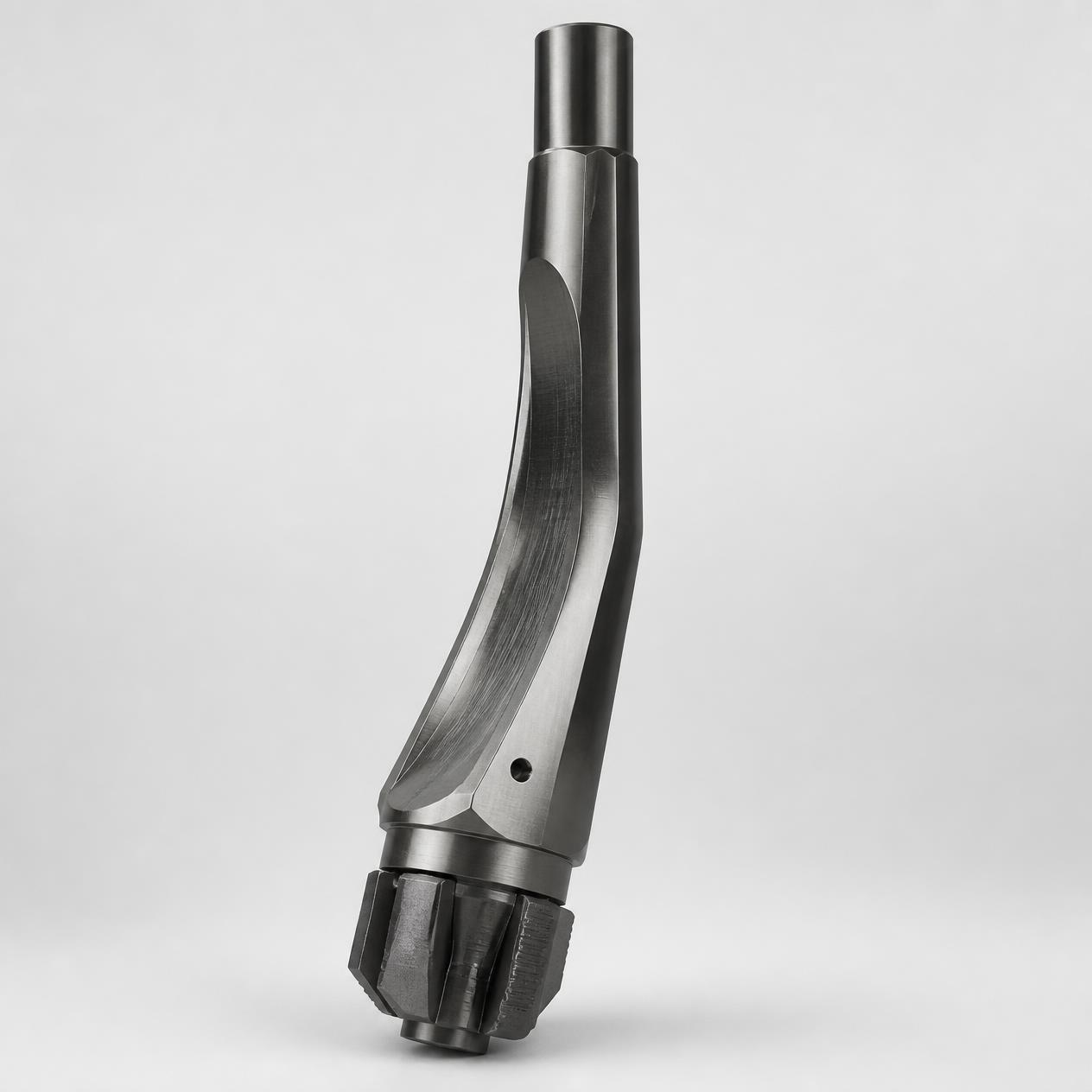
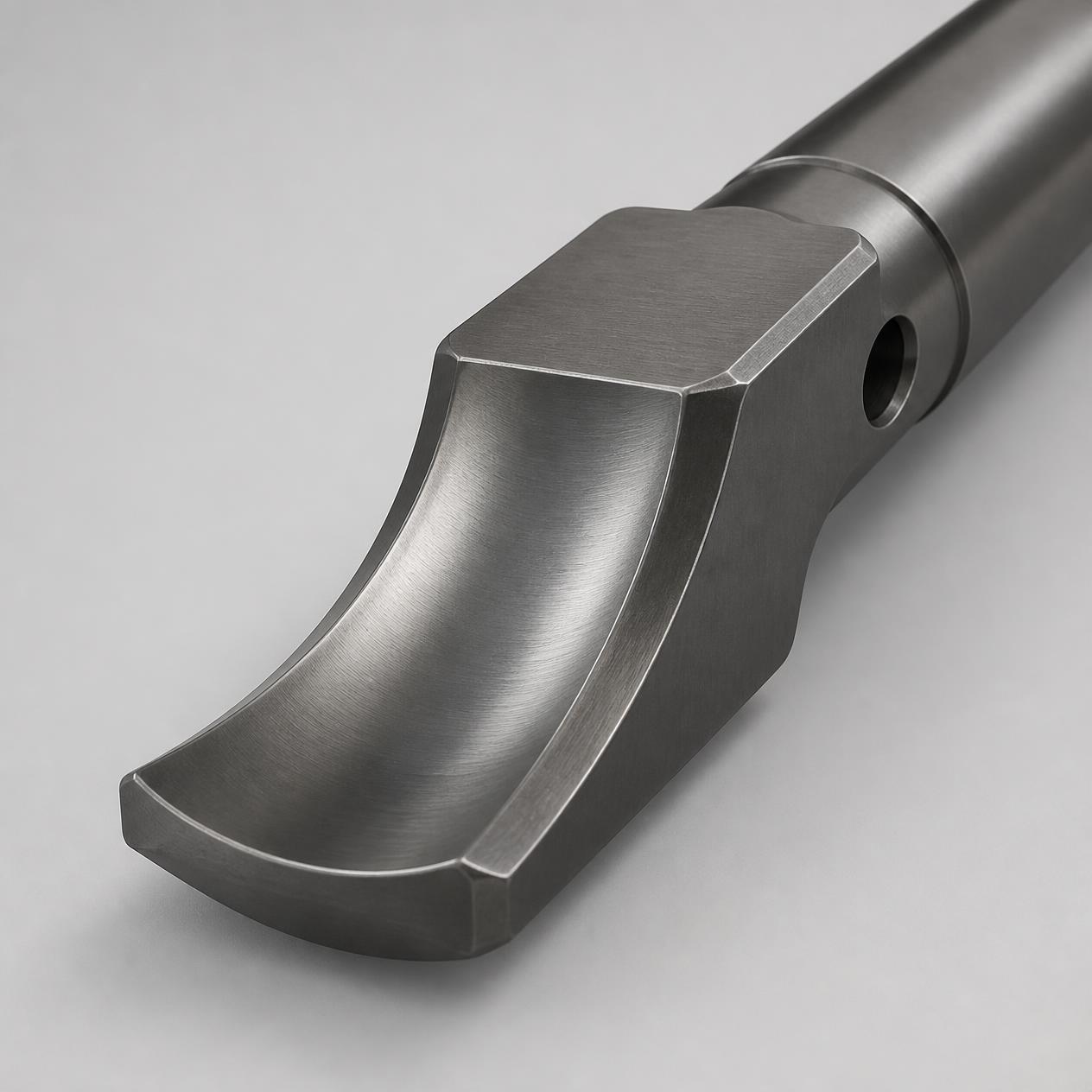
A whipstock is a long, wedge-shaped tool with an angled concave face, run and anchored inside casing at the exact depth a sidetrack is meant to start. Its entire job is deflection: a window mill run down against the whipstock's ramp face gets pushed sideways into the casing wall instead of continuing straight down the existing bore, cutting the opening that lets a new wellbore path begin. Without the whipstock providing that fixed, angled surface, nothing about a window-milling operation would actually steer the mill anywhere.
Anatomy — Ramp Face, Anchor, and Pilot Lug
The concave face is the whipstock's core working surface — a smooth, curved ramp running most of the tool's length that the mill's body rides against as it's worked down under weight and rotation. The incline is what converts straight-down force into sideways deflection.
The anchor sits at the base and locks the whipstock in place inside the casing before any milling starts — anchored mechanically, against a cement plug set below it, or via a dedicated packer-type anchor depending on the specific tool string and job. Whatever the mechanism, the whipstock has to stay completely fixed while the mill works against its face, or the deflection point drifts and the window comes out in the wrong place.
The pilot lug sits at the top and gives the starting mill a controlled, precise point to first engage the casing wall, rather than the mill's full-gauge body meeting the pipe cold with no guidance. It shears off cleanly once real milling gets underway, having done its one job of setting exactly where the cut begins.
Orientation Before Milling
Before the anchor is ever set, orientation is confirmed with surveying tools — the whipstock's concave face has to point in the exact compass direction the new wellbore needs to build toward. This isn't a step that can be corrected after the fact: everything milled and drilled once the window is cut follows the line the whipstock's face established, so an orientation error here sends the entire sidetrack off in the wrong direction from the very first cut.
When and Why a Whipstock Is Run
- Sidetracking around an unrecoverable problem lower in the original hole — a fish that couldn't be freed, a collapsed section, or a mechanical failure making the original path impractical to continue.
- Re-entering an old well to reach a new target from an existing cased wellbore, rather than drilling and casing an entirely new well from surface.
- Multilateral well construction, where several wellbores branch off one cased mother bore, each requiring its own whipstock-and-window-mill run at its own kickoff depth.
Frequently Asked Questions
What is a whipstock used for?
A whipstock deflects a mill sideways into the casing wall, cutting a window that lets a new wellbore be drilled out in a different direction — it is the tool that makes a sidetrack physically possible. Without it, a mill run down the existing bore would just continue straight rather than being steered into the pipe wall at a chosen depth.
How does the whipstock actually deflect the mill?
Its long, angled concave face acts as a ramp: as the mill is worked down against it under weight and rotation, the face's incline pushes the mill sideways into the casing wall instead of letting it continue straight down the existing bore. The whipstock itself is anchored in the casing beforehand, so it stays fixed while the mill runs against it.
What is the pilot lug for?
The pilot lug sits at the top of the whipstock and gives the starting mill a controlled point to first engage the casing wall, rather than the mill's full-gauge body meeting the pipe cold. It shears off cleanly once real milling begins, having done its job of establishing exactly where the cut starts.
How is the whipstock oriented in the correct direction before milling starts?
Orientation is confirmed with surveying tools before the anchor is ever set, since the whipstock's concave face has to point in the exact compass direction the new wellbore needs to build toward. The anchor and orientation happen together — get the orientation wrong and the entire sidetrack starts off in the wrong direction, since everything milled and drilled afterward follows the line the whipstock's face set.